Choosing the Right Material for Your New Roof
Your home is your sanctuary, and at the very top of its defense system sits your roof. It shields your family from harsh weather, insulates your living spaces, and plays a massive role in your property’s overall curb appeal. However, roofs do not last forever. Whether you are dealing with storm damage or simply an aging home, investing in a New Roof is one of the most significant and rewarding home improvement projects you will ever undertake.
Choosing the right material for your New Roof goes far beyond simply picking a color that matches your siding. It requires a deep dive into durability, climate suitability, energy efficiency, and long-term value. In this comprehensive guide, we will walk you through everything you need to know about navigating a roof replacement, from selecting the perfect materials to understanding the installation process.
Recognizing the Need for a New Roof
Before diving into materials and aesthetics, you must first determine if you actually need a full replacement. For minor issues like a few missing shingles after a windstorm or a small, isolated leak, a localized roof repair might be sufficient. However, patching an old, failing system is often just throwing good money after bad.
If you are on the fence, look for these undeniable signs of roof damage requiring replacement:
Curling, cracked, or missing shingles: As asphalt dries out over time, it becomes brittle.
Granules in the gutters: Shingles lose their protective granular coating as they reach the end of their lifespan, often resembling coarse black sand in your drainage system.
Sagging rooflines: This points to trapped moisture or structural failure beneath the surface.
Sunlight in the attic: If light is getting in, water can get in, too.
Frequent leaks: When a roof repair is needed every few months, a total replacement is more cost-effective.
The Most Popular Roofing Materials Explained
Once you have decided to move forward, the most crucial decision is selecting your material. The market is flooded with options, but two stand out as the reigning champions for residential properties: asphalt and metal.
Asphalt Shingles: The Industry Standard
Asphalt shingles are by far the most common roofing material in North America, prized for their affordability and ease of installation. However, not all asphalt shingles are created equal. When deciding on this material, you will quickly encounter the debate of architectural shingles vs 3-tab shingles.
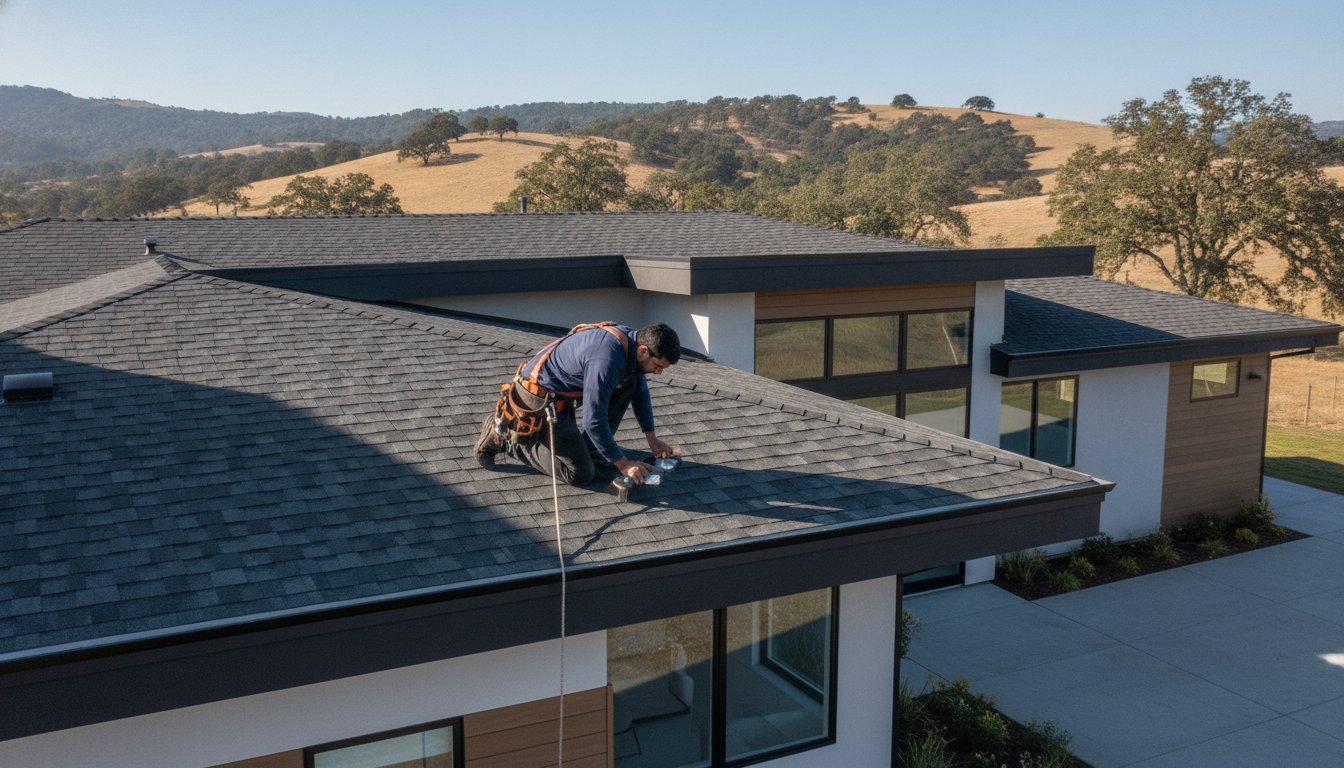
Architectural Shingles: Also known as dimensional shingles, these are made of multiple layers of asphalt fused together. They offer a highly textured, premium look that mimics wood or slate. They are significantly more durable, often rated for winds up to 130 mph.
This brings up a common question: how long does a shingle roof last? A standard 3-tab shingle roof generally lasts 15 to 20 years. In contrast, a high-quality architectural shingle roof can protect your home for 25 to 30 years, making the slightly higher upfront cost well worth the investment for most homeowners.
Metal Roofing: The Durable Contender
Metal roofs have seen a massive surge in residential popularity. To make an informed choice, it helps to examine the asphalt shingles vs metal roofing pros and cons.
Pros of Metal Roofing:
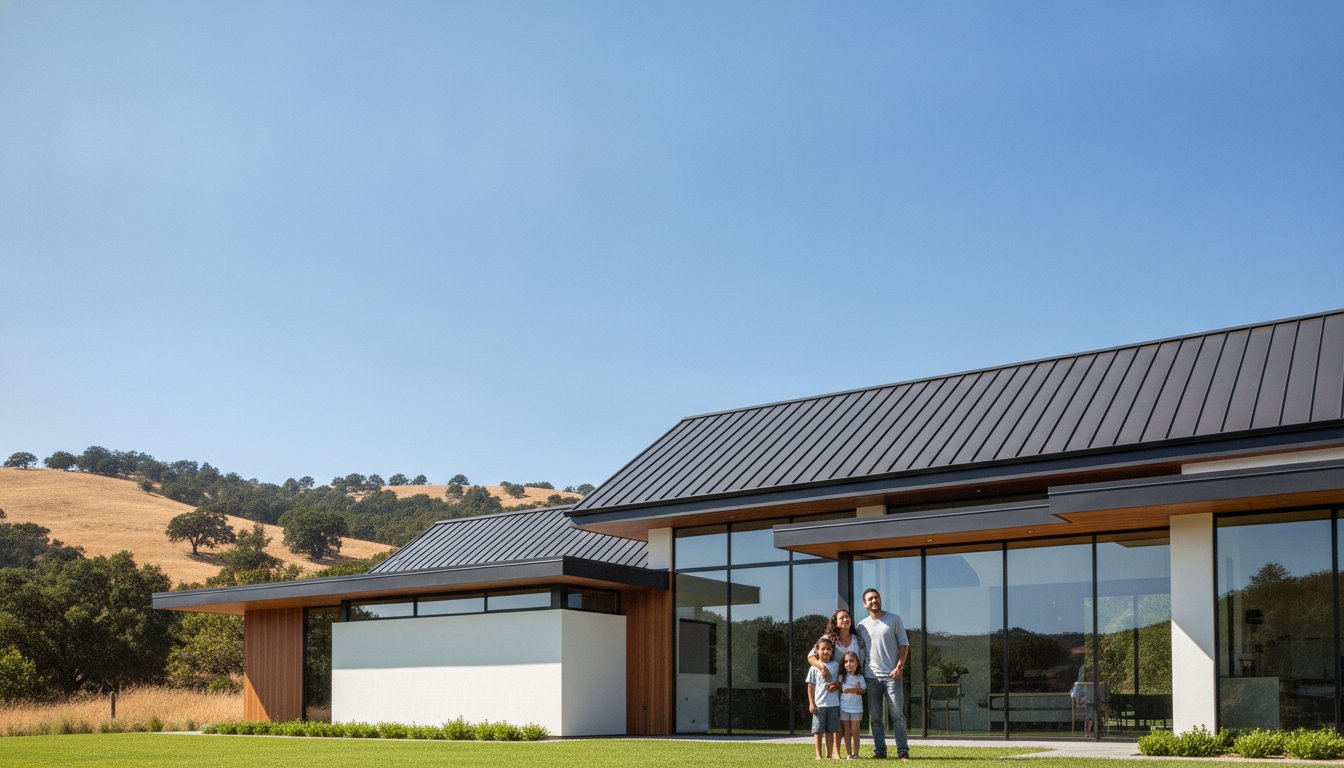
Longevity: Metal roofs easily last 40 to 70 years, often outlasting the homeowner’s tenure in the house.
Durability: They are incredibly resistant to high winds, fire, and heavy snow.
Eco-Friendly: Metal roofing is often made from recycled materials and is 100% recyclable at the end of its life.
Cons of Metal Roofing:
Initial Cost: A metal roof can cost double or triple the price of an asphalt shingle roof.
Noise: Without proper insulation and solid decking, heavy rain or hail can be loud.
Denting: While rare with high-gauge steel, materials like copper or aluminum can suffer cosmetic dents from large hail.
Green and Efficient Upgrades
If lowering your monthly utility bills is a priority, you should explore energy efficient roofing materials for homes. These materials reflect the sun’s radiant heat rather than absorbing it. Cool roofs (which use highly reflective paint, sheet coverings, or highly reflective tiles or shingles) can reduce roof temperatures by up to 50 degrees Fahrenheit, significantly cutting down your summer cooling costs. Both specialized asphalt shingles and naturally reflective metal roofs can fall into this energy-saving category.
Anatomy of a High-Quality Roof System
A beautiful outer layer is only as good as the foundation beneath it. A successful roof replacement involves an entire ecosystem of components working together to keep moisture out and air flowing.
The Foundation: Roof Decking
Beneath the shingles lies the roof deck, usually made of plywood or oriented strand board (OSB). Before new materials are installed, a reputable contractor will inspect the structural integrity of roof decking. If the wood is rotted, warped, or soft from years of subtle moisture intrusion, it must be replaced. Nailing a premium new roof onto rotting wood is a recipe for disaster.
The Shield: Underlayment
Between the decking and the shingles sits the underlayment, an essential waterproofing barrier. When exploring high-quality roofing underlayment types, you will generally choose between traditional asphalt-saturated felt and modern synthetic underlayment. While felt is cheaper, synthetic underlayment is highly recommended. It is tear-resistant, lies flatter, repels water far better, and is safe for roofers to walk on during installation.
The Lungs: Ventilation
Perhaps the most overlooked aspect of a new roof is the importance of roof ventilation systems. A roof must be able to “breathe.” Proper ventilation (typically a balanced system of soffit intake vents and ridge exhaust vents) allows hot, moist air to escape the attic. Without this, trapped heat will literally bake your shingles from the inside out, drastically reducing their lifespan. In the winter, poor ventilation leads to condensation, which causes mold, wood rot, and destructive ice dams.
Financial Considerations and ROI
A full roof replacement is a major financial undertaking, but it is one of the few home projects that offer a substantial return on investment.
Budgeting for Your Project
The average cost of full roof replacement varies widely based on your location, the size and pitch of your roof, and the materials you select. Generally, homeowners can expect to pay anywhere from $8,000 to $15,000 for standard architectural asphalt shingles on an average-sized home, while premium metal or slate roofs can push well beyond the $20,000 to $30,000 mark.
While the initial sticker shock can be daunting, consider the benefit of increasing home value with roof replacement. According to national real estate data, a new roof can yield a return on investment (ROI) of 60% to 70% upon resale. Furthermore, it dramatically boosts curb appeal; prospective buyers are often deterred by the prospect of buying a home that immediately requires a costly new roof.
Navigating Insurance and Warranties
If your roof was damaged by a sudden, unforeseen event—such as a severe hailstorm, a fallen tree, or hurricane-force winds—your homeowner’s insurance policy might cover the replacement. Following some common roofing insurance claim tips can make this stressful process smoother:
Document everything: Take clear, date-stamped photos of the damage from the ground. (Leave the roof climbing to the professionals).
Act quickly: Most insurance companies have strict time limits on when you can file a claim after a storm.
Get a professional inspection: Before calling your insurance adjuster, have a licensed roofing contractor inspect the damage to confirm it warrants a claim.
When purchasing a new roof, you must also master the art of understanding roofing manufacturer warranties. A standard warranty will cover factory defects in the materials (often ranging from 20 to 50 years). However, it usually does not cover faulty installation. This is why securing a secondary “workmanship warranty” directly from your roofing contractor is vital.
The Installation Process and Logistics
Selecting the right material is only half the battle; execution is everything. A flawless installation guarantees that your carefully chosen materials perform exactly as promised.
Finding the Right Professional
Knowing how to choose a roofing contractor is critical to the success of your project. Do not simply hire the first company that knocks on your door after a storm.
Verify licensing and insurance: Ensure they have active liability insurance and worker’s compensation.
Look for local, established businesses: A company with deep roots in your community is less likely to disappear if you need warranty work five years down the road.
Check credentials: Look for contractors certified by major manufacturers (like GAF Master Elite or Owens Corning Platinum Preferred). These certifications mean the installer has undergone rigorous training.
Timing Your Project
You might be wondering about the best time of year for roof replacement. Generally, late summer and early autumn are considered the sweet spots. The weather is relatively dry and stable, and the temperatures are mild. Asphalt shingles require a process called “thermal sealing,” where the sun’s heat helps the shingles’ adhesive strips bond together. Late summer provides the perfect ambient heat for this process, ensuring your roof is fully sealed before the harsh winter weather arrives.
What to Expect on Installation Day
Familiarizing yourself with the residential roof installation process steps will alleviate anxiety and help you prepare your home for the construction zone. Here is a typical timeline:
Property Protection: A good crew will start by laying down tarps to protect your landscaping, siding, and deck from falling debris.
Tear-Off: The old roofing materials are completely stripped away down to the bare wood. (Avoid “roof-overs,” where new shingles are nailed over old ones, as this hides underlying damage and voids warranties).
Deck Inspection and Prep: The crew checks the wood decking, replacing any compromised boards, and installs the drip edge (metal flashing at the edges).
Underlayment and Waterproofing: Synthetic underlayment is rolled out. In colder climates, an ice and water shield is applied to the eaves and valleys to prevent ice dams.
Shingle Installation: Starting from the bottom up, the new roofing material is installed, paying close attention to overlapping and proper nailing techniques.
Flashing Installation: Metal flashing is installed around vulnerable areas like chimneys, skylights, and vent pipes to keep water out.
Ventilation and Ridge Caps: Ridge vents are installed at the peak of the roof, covered by specialized ridge cap shingles.
Cleanup and Inspection: The crew sweeps the property with large magnetic rollers to pick up stray nails, cleans the gutters, and does a final walkthrough with you to ensure total satisfaction.
Conclusion
Choosing the right material for your New Roof is an exercise in balancing aesthetics, budget, climate demands, and longevity. Whether you opt for the cost-effective reliability of architectural asphalt shingles or the lifelong durability of a metal roof, making an informed decision ensures your home stays protected for decades to come.
Remember that the quality of a roof is determined not just by what you see on the surface, but by the structural decking, premium underlayment, and critical ventilation working behind the scenes. By partnering with a reputable, skilled contractor and understanding the warranties and installation processes involved, you turn a daunting home repair into a powerful investment. Take your time, do your research, and rest easy knowing that the roof over your head is built to weather any storm.