Essential Tips for Successful Roofing Installation
Your home’s roof is its ultimate shield, standing as the primary line of defense against rain, snow, wind, and harsh sunlight. Whether you are building a new house from the ground up or upgrading an aging structure, understanding the fundamentals of a successful roofing installation is critical. A well-executed roof replacement not only protects your family and your belongings but also significantly boosts your home’s curb appeal and market value.
Before you grab a ladder or start calling professionals, it helps to understand the mechanics of the project. Here are the essential tips and foundational knowledge you need for a flawless roofing project.
Recognizing When It’s Time for an Upgrade
Homeowners are often faced with a difficult decision: is a simple roof repair enough, or is it time for a complete overhaul? While isolated leaks or a few missing shingles can often be patched, you must be able to spot the signs a roof needs total replacement.
Look out for widespread issues such as:
- Curling, cracked, or buckling shingles
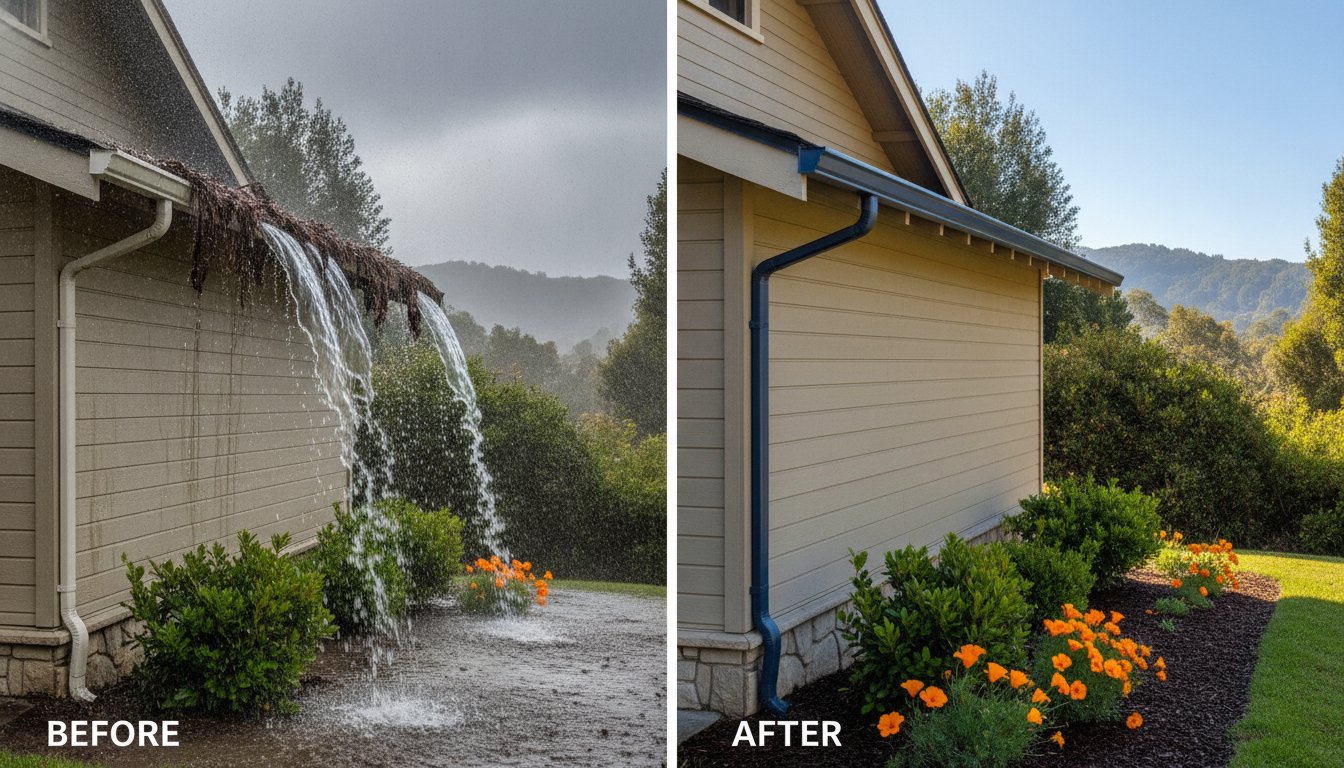
- Excessive shingle granules washing out into your gutters
- Sagging roof decks
- Daylight visible through the attic boards
Your decision will also depend on the average lifespan of different roofing materials. Traditional asphalt roofs generally last between 15 and 25 years. If your roof is approaching this age and showing signs of wear, patching it up is likely just delaying the inevitable.
Planning and Budgeting
Understanding the residential roof replacement process begins long before the first nail is driven. Proper planning ensures you don’t overbuy materials or underestimate your budget.
A vital first step is learning how to calculate roofing square footage. Roofing materials aren’t measured in standard square feet; they are measured in “squares.” One roofing square equals 100 square feet. To find your number, multiply the length and width of each roof plane to get the total square footage, then divide by 100. Always add a 10% to 15% waste factor for overlapping and cutting around edges.
Once you have your measurements, you can better estimate the roof replacement cost per square foot. Keep in mind that the steepness (pitch) of your roof, the complexity of the design, and the materials you choose will all influence the final price tag.
Selecting the Right Materials
Choosing the right material is a balance of aesthetics, budget, and climate. When comparing asphalt shingles vs metal roofing durability, metal is the clear winner for longevity. A high-quality standing seam metal roof can withstand extreme weather and last 50 years or more. However, asphalt remains the most popular choice in North America due to its affordability and ease of installation.
If you opt for asphalt, you will need to weigh architectural shingles vs 3-tab shingles:
- 3-Tab Shingles: These are flat, lay in a uniform pattern, and are the most economical choice. However, they are thinner and have a lower wind-resistance rating.
- Architectural Shingles: Also known as dimensional shingles, these are thicker and layered to create a textured, premium look. They offer superior wind resistance and generally come with much longer warranties.
Preparation and Safety First
Roofing is inherently dangerous work. If you are handling any part of the preparation yourself, you must strictly follow an essential roofing safety equipment checklist. This includes wearing a personal fall arrest system (harness and lanyard tied to a secure roof anchor), non-slip soft-soled boots, safety glasses, heavy-duty gloves, and a hard hat. Never work on a wet roof or during high winds.
The Core Elements of Roofing Installation
A successful roofing installation is about much more than just nailing down shingles. The layers beneath the visible surface are what truly keep your home dry.
The Protective Underlayers
Once the roof is stripped down to the bare wooden decking, the first material to go down is the ice and water protector. Understanding the ice and water shield installation importance cannot be overstated. This self-sealing, waterproof membrane is applied to the roof’s eaves, valleys, and around penetrations to prevent water from backing up under the shingles during winter ice dams or severe rainstorms.
Next comes the underlayment, which covers the rest of the exposed wood. While traditional tar paper used to be the standard, the synthetic roof underlayment benefits have made it the modern go-to. Synthetic underlayment is highly tear-resistant, lies flatter on the deck, and is incredibly effective at repelling water.
Edges and Starters
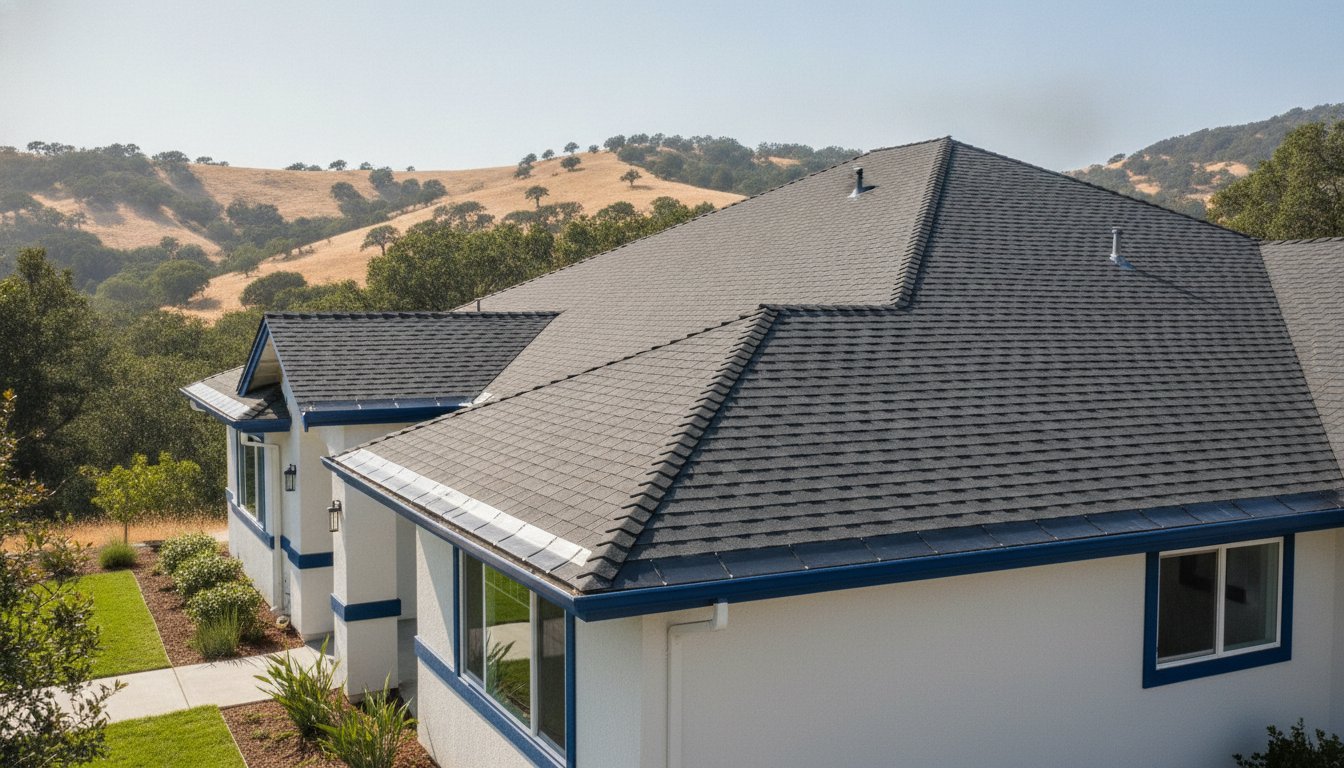
Water has a sneaky way of curling under roof edges, which is why correct drip edge and starter strip placement is crucial. The metal drip edge goes under the underlayment at the eaves and over the underlayment at the rakes (sides), guiding water safely into the gutters. The starter strip is a specialized row of flat shingles applied at the very edge of the roof, providing a sealant strip that grabs the first row of visible shingles and locks them down against high winds.
Shingle Application and Waterproofing
With the foundation set, the main installation begins. Following a step by step shingle application guide ensures that every row is perfectly aligned and secured. Shingles must be nailed exactly on the designated nail line—nailing too high or too low can cause the shingles to slide off or blow away in a storm. Ensure appropriate staggering between rows to prevent water from finding a direct seam to the underlayment.
Equally important to the shingles is the metal flashing. Pay meticulous attention to roof flashing installation around chimneys, skylights, and vent pipes. Chimneys require a two-part flashing system (step flashing and counter flashing) to accommodate the natural expansion and contraction of the house without breaking the watertight seal.
The Secret to Longevity: Attic Ventilation
You can buy the most expensive shingles on the market, but if you ignore proper attic ventilation system requirements, your new roof will fail prematurely.
A healthy roof needs to breathe. Without adequate ventilation, summer heat gets trapped in the attic, baking the shingles from the inside out and causing them to blister. In winter, trapped moisture from household activities (like showering and cooking) can condense on the cold roof deck, leading to wood rot and dangerous black mold. Ensure you have a balanced system of intake vents (usually in the soffits) and exhaust vents (at the ridge) to allow continuous airflow.
Calling in the Experts
While understanding the mechanics of a roof is great for any homeowner, the actual labor is highly technical and physically demanding. For the vast majority of people, choosing a qualified roofing contractor is the smartest and safest route.
When evaluating local roofing contractors, don’t just look for the lowest bid. Check for active licenses, comprehensive liability insurance, and worker’s compensation. A trustworthy professional will happily explain their installation methods, offer robust material and workmanship warranties, and handle all the necessary local building permits.
Ultimately, investing in high-quality materials and professional labor ensures your roof will stand tall, weather every storm, and protect your home for decades to come.