A hot attic can be an early warning that heat and moisture are building up where they shouldn’t. Mold in an attic from poor ventilation can develop when stale, humid air is trapped and moisture condenses on cool roof surfaces. Summer attic temperatures can exceed 150°F, and humidity above 60% is an ideal range for mold.
It’s easy to focus on a visible stain or musty smell, but either can point to a larger airflow or moisture problem. Finding the cause matters: cleaning visible growth alone won’t address the conditions that allow it to return.
This article explains how poor ventilation contributes to heat, humidity, condensation, and mold, and what warning signs to look for on the roof, insulation, and wood surfaces. You’ll also learn which improvements may help, including keeping airflow clear, addressing air leaks, and directing household exhaust outdoors. Understanding the problem can help you decide what your attic needs and whether roofing repairs or ventilation improvements may be part of the solution.
Key Takeaways
- Learn how airflow helps carry heat and moisture out of the attic, and why trapped air can contribute to condensation.
- Recognize signs such as musty odors, dark marks, damp sheathing, and condensation on metal components.
- Understand why clear soffit intake, ridge or gable exhaust, and unobstructed vent baffles work together.
- See how air leaks and household exhaust entering the attic can add moisture, even when ventilation openings are present.
- Explore when roof fan adjustments or roofing repairs may help address ventilation concerns.
How attic ventilation affects heat and humidity
Attic ventilation moves outdoor air through the attic, helping heat and moisture escape. In summer, attic temperatures can exceed 150°F, so airflow matters for roof materials and moisture control.
Attic Ventilation and Heat Buildup
Ventilation helps limit trapped heat by drawing air through intake vents and out through exhaust vents. If the attic feels much hotter than the rooms below in summer, restricted airflow may be a factor. Heat alone doesn’t establish that mold is present, but it can signal ventilation conditions worth examining alongside moisture and changes to roof surfaces.
Humidity and Attic Mold Growth
Indoor humidity describes moisture in the home’s air; attic humidity can rise when that air enters a cooler attic and loses moisture through condensation. Humidity above 60% is an ideal range for mold growth. That figure describes conditions favorable to mold, not a guarantee that mold will appear. Moisture on roof sheathing can turn an airflow issue into a mold concern.
Indoor humidity matters, too. Moisture can move upward through gaps around ceiling fixtures, attic hatches, and wiring. A humid home can therefore add moisture to the attic, especially when air leaks meet cool roof surfaces. Ventilation helps remove moisture, but airflow alone may not address the pathways carrying indoor air upward. Both the moisture source and its route matter.
Do U.S. building codes require attic ventilation? Requirements depend on locally adopted building rules and the specific roof design. Local authorities determine which rules apply, so a general rule cannot establish what applies to every U.S. home.
How much does attic mold removal cost in the United States? The price depends on the affected area, access, moisture source, and needed repairs, and is given after a quote request. Removal and correcting the conditions that sustain mold may involve different work.
What health risks are associated with attic mold exposure? Mold exposure can be a concern for people with allergies or asthma, and symptoms vary. Avoid disturbing visible growth, particularly if you have respiratory sensitivities.
How can you safely inspect and remove attic mold? Look from the attic entrance for damp wood, condensation, or darkened surfaces, and avoid touching or brushing suspected growth. Removal can release dusty material, so containing the work helps limit its spread.
When should attic mold remediation be handled by a professional? Consider professional help when growth covers a broad area, returns after cleaning, or appears alongside wet sheathing or recurring condensation. These signs suggest the moisture source needs attention, too.
Can homeowners insurance cover attic mold caused by poor ventilation? Coverage depends on the policy and what caused the damage. Review the policy’s mold and water-damage terms to understand how it applies to your situation.
How attic ventilation affects moisture and mold
Moisture reaches attic surfaces through indoor air, roof leaks, or condensation. Identifying its source helps explain why mold appears and what conditions may sustain it.
Signs of Excess Attic Moisture
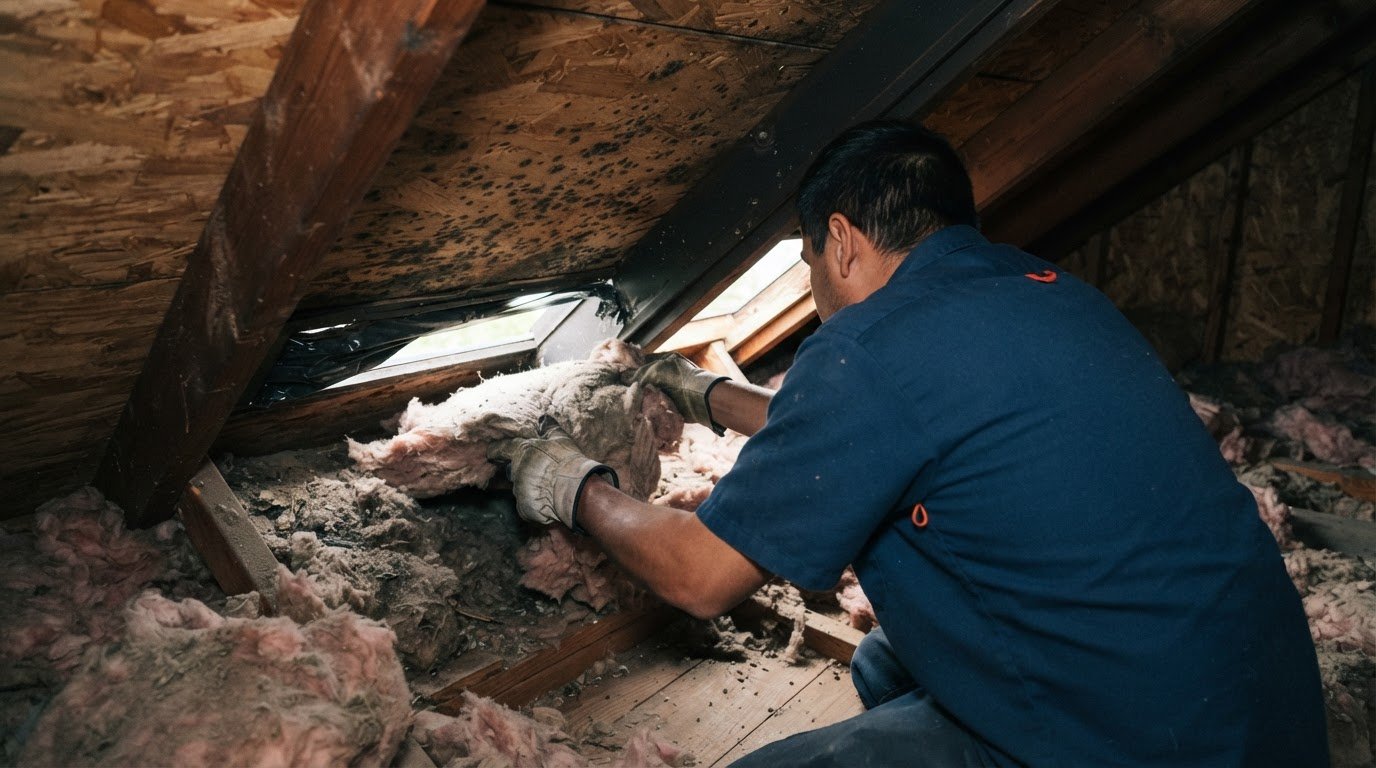
Excess moisture can show up as wet roof sheathing, water stains, condensation, or rusted metal components. Flattened or darkened insulation also deserves attention because it may indicate moisture exposure. Several signs appearing together can point to a dampness problem rather than isolated discoloration.
Check roof sheathing, rafters, joists, insulation backing, nails, and fasteners. Musty odors and wood discoloration add useful context, while mold may appear green, yellow, brown, or black. Color alone doesn’t identify the moisture source. A stain near a roof opening, for example, calls for checking both the wood and nearby roofing.
Moisture in Unconditioned Attics
An unconditioned attic sits outside the home’s heated or cooled living space, so its surfaces can be much colder than indoor air. In winter, warm air rising from below may condense on the underside of the roof. Similar condensation can occur on cool, clear spring and fall nights, leaving roof sheathing damp.
Moisture can enter through ceiling gaps and openings around fixtures, wiring, or attic access points. A Green Building Advisor editor described ceiling air leaks as the almost-always cause of high moisture in unconditioned attics. This makes the boundary between living space and attic important: ventilation moves air through the attic, while air sealing limits moisture-laden indoor air from entering it.
Causes of Mold from Poor Ventilation
Mold can develop when moisture remains on attic materials instead of drying. Poor airflow can slow the escape of humid air, while indoor air leaking through the ceiling adds another moisture source. Bathroom, kitchen, and laundry air may rise into the attic and condense on cool surfaces if it isn’t exhausted outdoors.
Moisture can persist on roof sheathing, rafters, or insulation backing, supporting visible growth. Summer heat may kill some growth on sheathing, but dead mold can remain allergenic. Appearance alone therefore doesn’t show whether the material is harmless. Disturbing it can release dusty particles, so remediation should contain the affected area and limit spread.
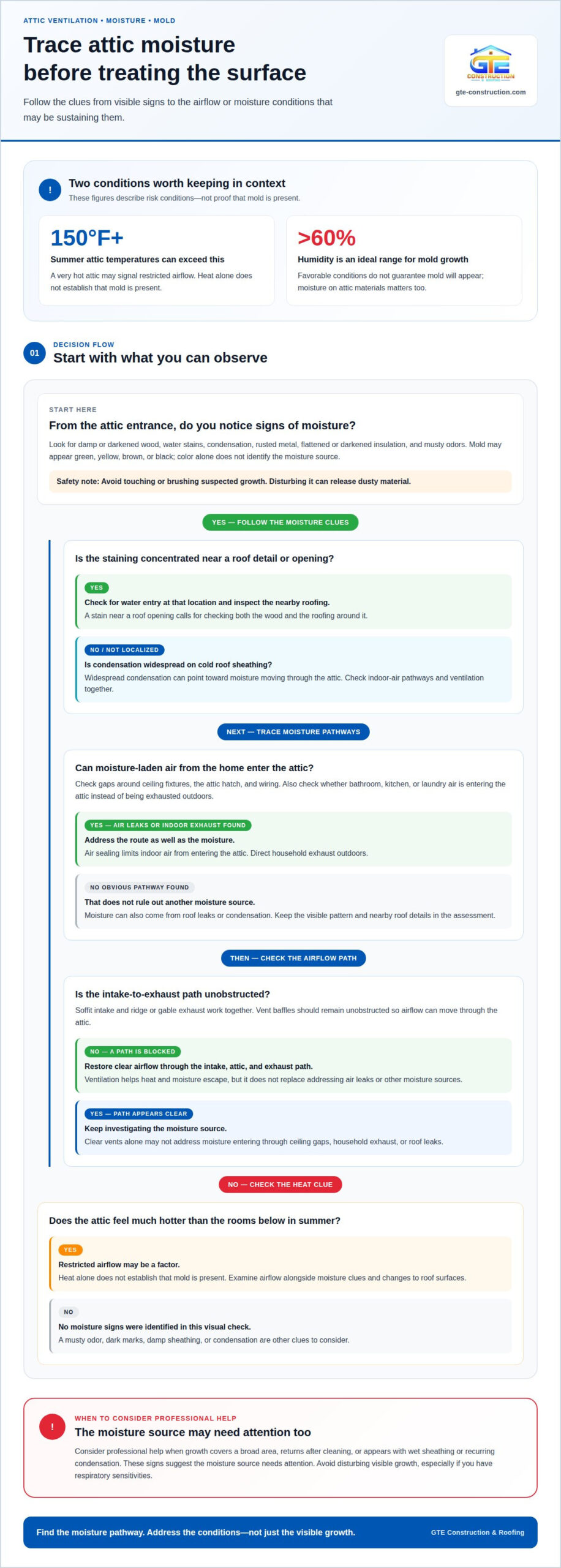
Trace the pattern before treating the surface. Water stains concentrated near roof details suggest checking for water entry, while widespread condensation on cold sheathing points toward moisture moving through the attic. These clues don’t replace a complete assessment, but they can connect visible growth with the conditions that caused it. Address moisture pathways and airflow together so cleanup alone doesn’t leave the underlying problem unchanged.
Widespread condensation on roof sheathing can persist. Moisture from the home may condense on cool sheathing in winter and on cool, clear spring and fall nights, contributing to mold growth. In one home, both second-floor bathrooms vented into the soffit.
Ventilation and insulation improvements
Effective improvements address airflow, ceiling leaks, and insulation together. A clear path from soffit intake to ridge or gable exhaust lets air move past insulation without carrying indoor moisture through ceiling gaps.
Balancing Insulation and Ventilation
Insulation slows heat transfer, while ventilation provides an airflow route through the attic. Both matter: insulation that covers soffit intake vents can obstruct incoming air, and insulation alone won’t close gaps that let indoor air escape upward.
Keep ventilation channels open with baffles, which guide air past insulation near the eaves. An attic hatch or pull-down stairs should fit tightly and have a well-fitting insulated cover. These details help separate living space from the attic while allowing designed ventilation paths to work.
Attic Ventilation Ratio Calculation
The ventilation ratio compares attic floor area with the net-free area through which vents can pass air. To calculate it, divide attic floor area by the total rated net-free vent area, then compare the result with the locally applicable requirement. The target depends on local rules and roof design, so one figure shouldn’t be applied to every U.S. home.
Count usable intake and exhaust openings, not just visible grilles. A functioning arrangement draws air through soffit vents and releases it through ridge or gable vents. Blocked soffits, missing exhaust openings, or insulation covering intake vents can reduce effective vent area, even when vents appear on the roof or walls.
Air sealing should come before adding insulation. A Green Building Advisor editor advised sealing an attic before adding insulation because insulation doesn’t stop air leaking through ceiling openings. Gaps around wiring, fixtures, and attic access can carry indoor moisture upward; closing these pathways helps limit moisture entering the attic.
After sealing, assess whether insulation is properly placed and leaves intake vents clear. An attic hatch or pull-down stair opening should close tightly and have a snug insulated cover. These measures work alongside baffles, rather than replacing the soffit-to-exhaust airflow route.
Insulation depth depends on the existing assembly and the home’s needs. One homeowner reported adding 6 inches of insulation over an existing 3 inches, then described a depth of about 20 inches after adding blown-in material. Those examples aren’t universal targets; climate, existing insulation, and airflow paths all affect the appropriate improvement.
Addressing only one component can leave the moisture pathway intact. For example, adding insulation without first sealing ceiling leaks may leave routes open for humid indoor air. A sound plan considers air sealing, insulation placement, and clear ventilation together, then corrects any blocked intake or exhaust path.
Attic ventilation and roof fans
A roof fan moves attic air mechanically, while passive vents rely on airflow through intake and exhaust openings. Neither handles household exhaust. A bathroom fan or cook-stove fan should discharge outdoors, not into the attic. Otherwise, moisture from bathing or cooking can enter the roof space, where cooler surfaces may collect condensation.
That distinction helps identify the right source of dampness. If a bathroom fan duct ends in the attic, improving roof ventilation alone leaves the moisture source in place. The exhaust route needs attention, alongside the attic’s intake and outlet paths. A roof fan cannot correct a duct that releases humid air indoors, and an exterior-vented bathroom fan doesn’t replace attic airflow.
Before adding a powered fan, consider the entire ventilation arrangement. Soffit vents provide intake, while ridge or gable vents provide exhaust. Blocked soffits or missing exhaust openings can interrupt this route. A fan should be considered as part of the system, not as a substitute for clear openings, appropriate air pathways, and moisture control inside the home.
Roof fans also need controls suited to their intended operation. One homeowner reported placing two thermostats in line with power to a roof fan for ice-dam prevention. That example describes a particular setup, not a universal control method. Ice dams form when roof snow melts and refreezes at the edge; blocked drainage can allow water to seep beneath shingles and leak indoors.
For a moisture problem, identify the fan’s purpose before changing its operation. A roof fan intended to manage heat may not address a bathroom duct discharging into the attic. Likewise, a fan used for ice-dam prevention addresses a different concern than removing indoor moisture. The visible symptom, exhaust route, and ventilation openings together clarify what needs correction.
A sound assessment follows the air. Identify where bathroom and cook-stove exhaust terminates, whether soffit intake remains open, and where attic air exits. Damp sheathing or condensation is evidence of moisture, but a fan won’t necessarily resolve every cause. These checks help distinguish ventilation concerns from roof leaks or indoor air escaping through ceiling openings.
Fans can support an attic ventilation plan, but their role depends on the moisture pathway and vent layout. Correcting an exhaust duct and clearing blocked intake openings, for example, address different parts of the problem. Treating both as one issue can leave a moisture source untouched. Match equipment and repairs to observed conditions, then assess whether the attic can exchange air as intended.
Warning signs of poor attic ventilation
Warning signs often appear together: musty odors, dark streaks, condensation on nails, stuffy attic air, or winter ice dams. One clue alone doesn’t prove poor ventilation, but several signs across the attic and roof deserve attention. Their location and pattern can help distinguish restricted airflow from water entry or indoor moisture reaching cold surfaces.
Start with the underside of the roof. Wet sheathing, water stains, or dark patches can indicate persistent moisture, while condensation on nails and metal hardware points to damp attic air meeting cooler surfaces. Rust adds another clue. If these signs cluster across roof sections, consider whether airflow is restricted rather than assuming one isolated stain explains the pattern.
A musty smell can prompt a closer look at roof sheathing, rafters, and insulation backing. Visible attic mold may be green, yellow, brown, or black, but color doesn’t identify its cause. Dark spots and streaks also deserve attention when they appear alongside condensation or damp wood. Avoid brushing suspected growth, since disturbing it can release dusty material.
Notice how the attic feels, too. Hot, stuffy air in summer can indicate trapped heat, particularly when the attic feels much warmer than the rooms below. That sign doesn’t establish that mold is present, but it provides useful context alongside damp sheathing, darkened insulation, or a musty odor.
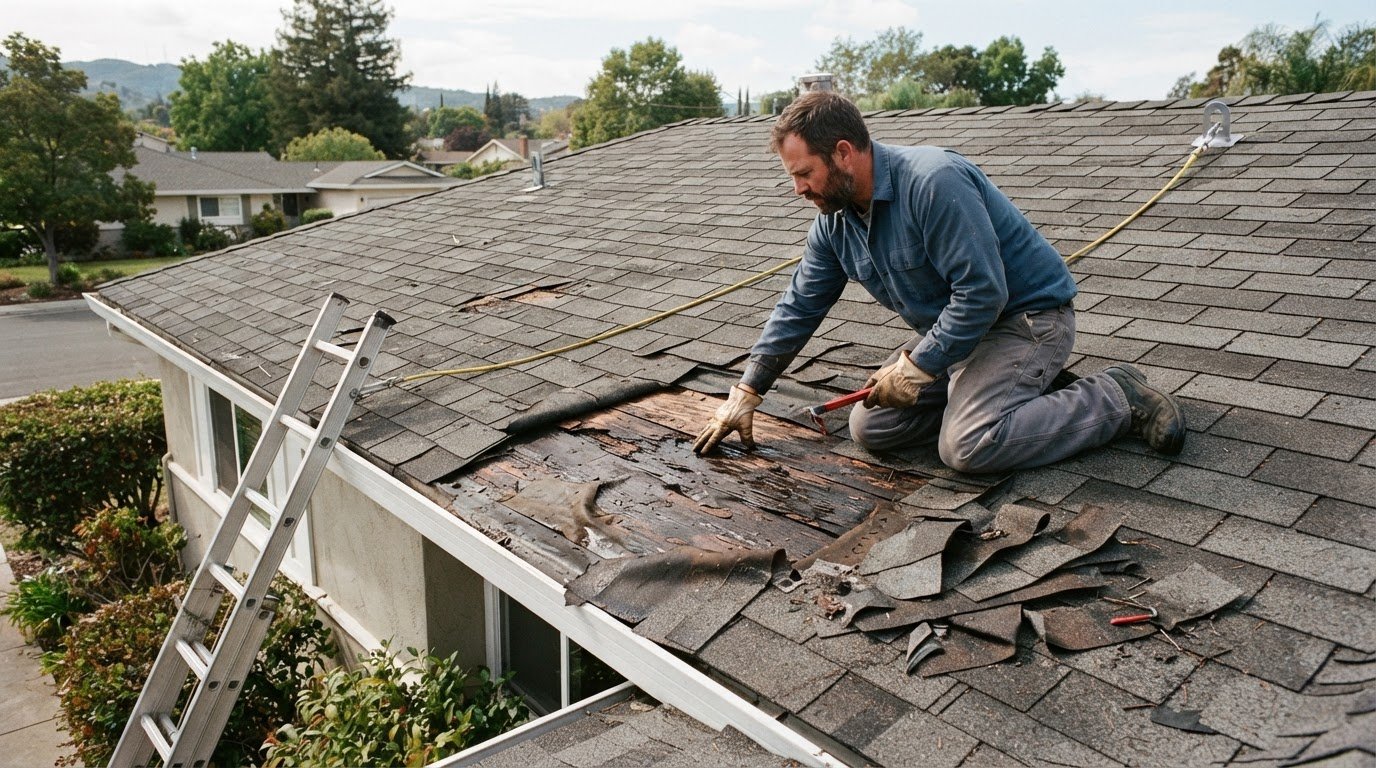
Roof changes can offer clues from outside. Buckling or cupping shingles may indicate excessive heat or ventilation problems. Shingles that no longer lie flat can also let water and moisture collect, potentially encouraging algae or mold-like growth. Look for related indoor evidence, such as water stains beneath the roof area, rather than treating every shingle irregularity as proof of attic mold.
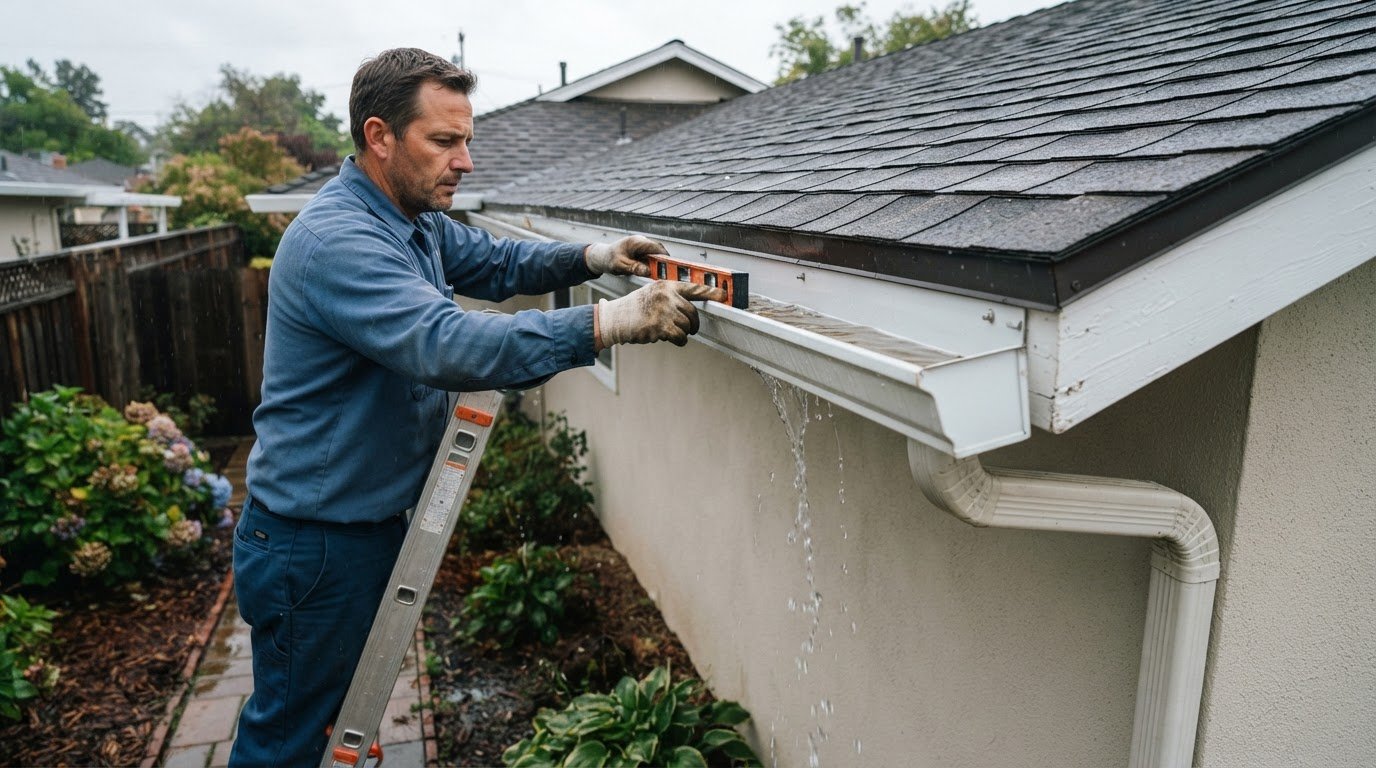
In winter, ice dams form when roof snow melts and refreezes at the edge, blocking drainage. Water held behind the ice can seep beneath shingles and eventually leak indoors. A ceiling stain near an exterior wall combined with winter ice buildup calls for attention to both roof drainage and attic conditions.
Use a simple pattern-based assessment: note where each stain, damp surface, odor, or roof change appears, then compare those locations. Several signs together provide a clearer picture than a single dark mark. Don’t disturb suspected mold or wet insulation during a visual check. If roof damage or recurring leaks accompany these warning signs, get help with roof repairs to address the roofing concern.
A musty or damp smell, moisture or condensation buildup, and wood discoloration can all be warning signs of attic mold. Consider whether these clues appear in one area or across multiple parts of the attic, and note whether the wood also feels damp. The combination can guide a closer visual check, but doesn’t establish the cause on its own.
Keep the inspection observational: look for patterns on accessible surfaces, and avoid disturbing suspected growth or wet insulation. If several clues appear together or recur, arrange a closer assessment of attic and roof conditions. A single mark or odor may have more than one explanation, so consider its location alongside other visible signs before drawing conclusions.
GTE Construction & Roofing
GTE Construction & Roofing can help when attic moisture concerns point to roof damage or roofing work. Mold itself may require correcting a moisture source beyond the roof, so identifying roof damage is an important distinction. If water stains, leaks, or damaged shingles accompany attic moisture, roofing repairs may address the roof-related issue. If the roof needs replacement, new roofing installation may be appropriate.
Share the warning signs you’ve observed, such as where stains appear or whether shingles are buckling. That context helps connect the attic concern with the roofing work involved. Contact GTE Construction & Roofing to discuss your roof-related concerns.
Choose a Clear Next Step for Your Home
Once you’ve noticed a possible moisture problem, decide whether the roof, attic airflow, or both need attention. Record where stains or damp areas appear and note any roof changes. This context can focus the conversation on the source of mold in the attic from poor ventilation, rather than treating visible growth as the only concern.
GTE Construction & Roofing offers Roofing Repair and New Roofing & Installation for roof-related work. Kitchen Remodeling is available for separate interior projects. The right scope depends on the work your home needs, so focus your next step on the issue you’ve identified.
Contact GTE Construction & Roofing to discuss your roofing concerns and possible next steps. A considered assessment can help you move forward with greater clarity and care for your home.
Frequently Asked Questions
What are signs of attic mold and how can it be identified?
Look for visible growth alongside damp wood, water marks, or a musty odor. Check whether the affected area is isolated or appears across surfaces such as roof sheathing and framing. Record where signs occur and whether nearby materials feel damp; this pattern can help distinguish a localized roof leak from broader moisture conditions. Color alone can’t reliably identify the cause or type of growth.
How does poor attic ventilation lead to condensation and mold?
Poor ventilation can slow the removal of humid attic air, allowing moisture to remain near cool roof surfaces. For example, warm air from a bathroom entering the attic can cool against the roof and leave condensation. Repeated dampness can support mold growth on wood or insulation backing. Trace both the moisture source and its route into the attic rather than treating airflow as the only possible factor.
How can you improve attic ventilation and prevent mold from returning?
Address the moisture source and restore a clear airflow path through the attic. Make sure bathroom and kitchen exhaust reaches outdoors, keep soffit intake openings clear, and preserve channels through insulation with baffles. Seal gaps that let indoor air enter the attic before adding insulation. If roof leaks or damaged materials are involved, correct those conditions as part of the work, then monitor the affected area for renewed dampness.