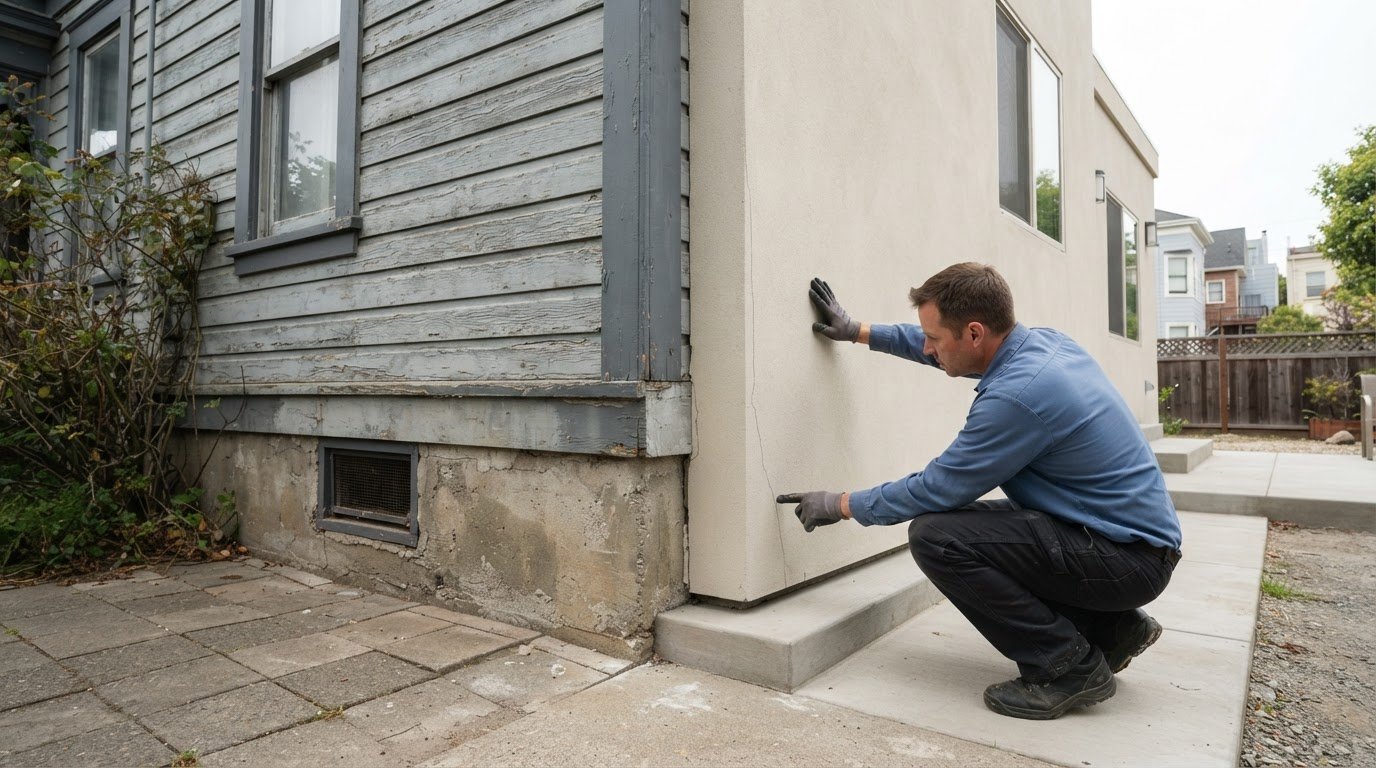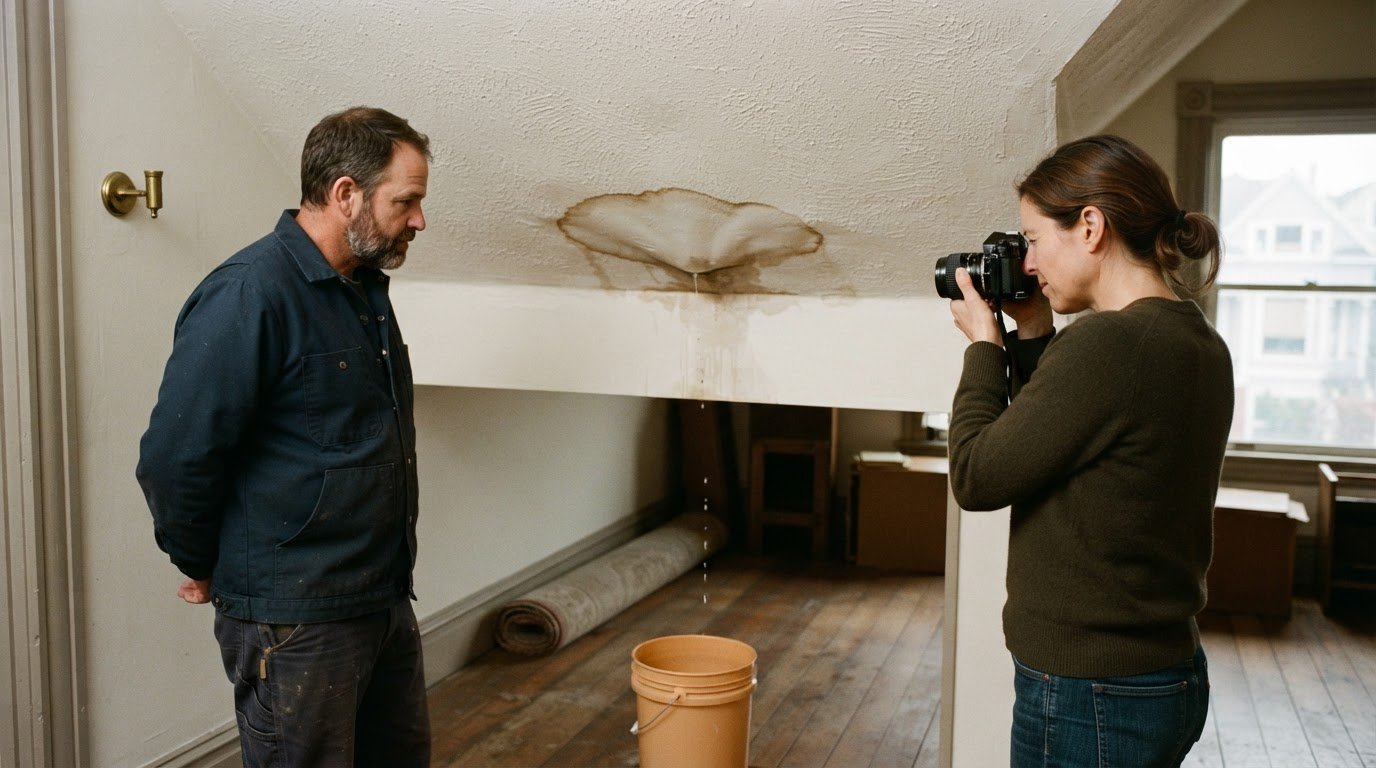
A roofing offer that arrives at your door after a storm may sound like timely help, but urgency is a reason to slow down. Common roofing scams to avoid include claims of damage that can’t be documented, promises that an insurer will approve a claim, offers to waive your deductible, and pressure to sign or pay before the terms are clear. Ask for photographs of reported damage, communicate directly with your insurer, and compare written estimates before deciding.
It’s reasonable to want roof damage addressed promptly, especially when a contractor says an offer is available only today. Still, a sound decision gives you time to understand the proposed work, materials, total cost, payment schedule, and warranty terms. This article explains how to spot misleading inspections and door-to-door sales pressure, verify licensing and insurance documents, and make sure the roofing contract records the agreed work. You’ll also learn how to respond to large upfront payment demands or proposed changes after work begins, so urgency doesn’t drive your decision.
Key Takeaways
- Use licensing and insurance records to assess a roofer’s credentials, and be cautious if the contractor pushes you to sign before you understand the terms.
- Read an Assignment of Benefits carefully before signing; it can affect how insurance claim benefits are handled.
- Keep the contract specific about labor, materials, work scope, schedule, payment milestones, and warranty terms.
- Treat “today only” discounts and storm-related door-to-door urgency as reasons to pause and review the offer calmly.
- Notice whether a contractor can explain the proposed work clearly and document the reasons for any changes once a project begins.
1. What Are Roofing Scams?
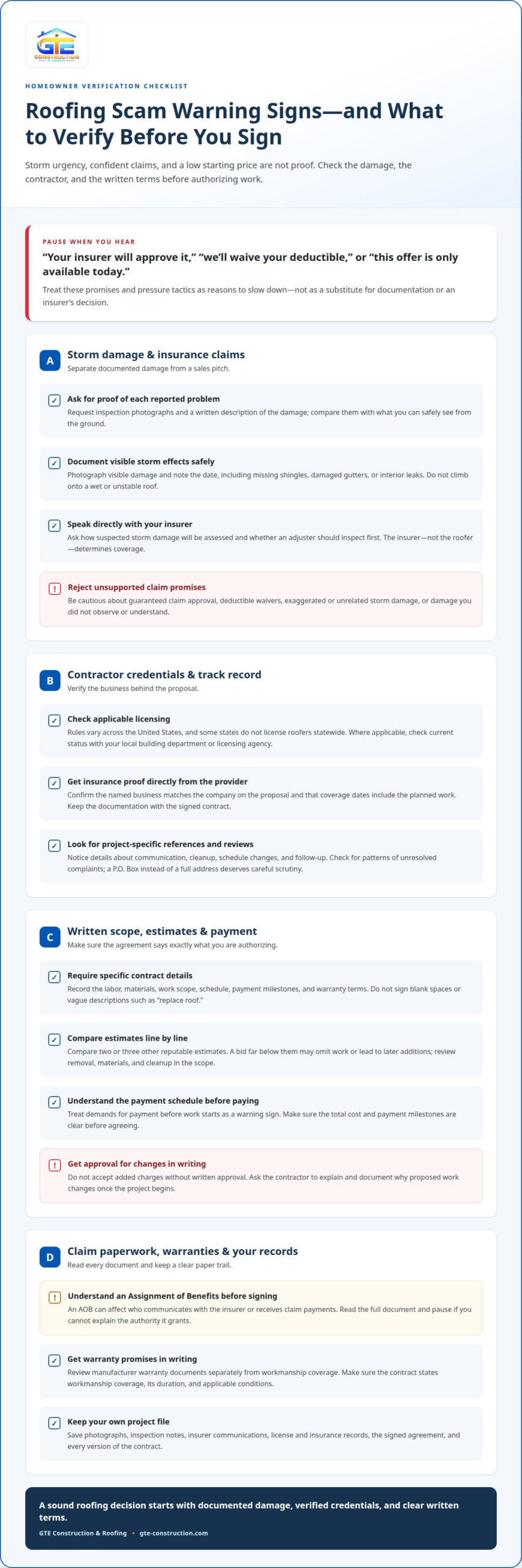
Roofing scams use storm damage, insurance claims, or urgent repairs to get a signature before you can assess the facts. Common roofing scams to avoid include false damage reports, promises of guaranteed claim approval, deductible waivers, and payment demands before work starts. A contractor’s confident explanation isn’t proof that your roof needs replacement. Ask for photographs of the alleged damage and compare them with what you can safely see from the ground.
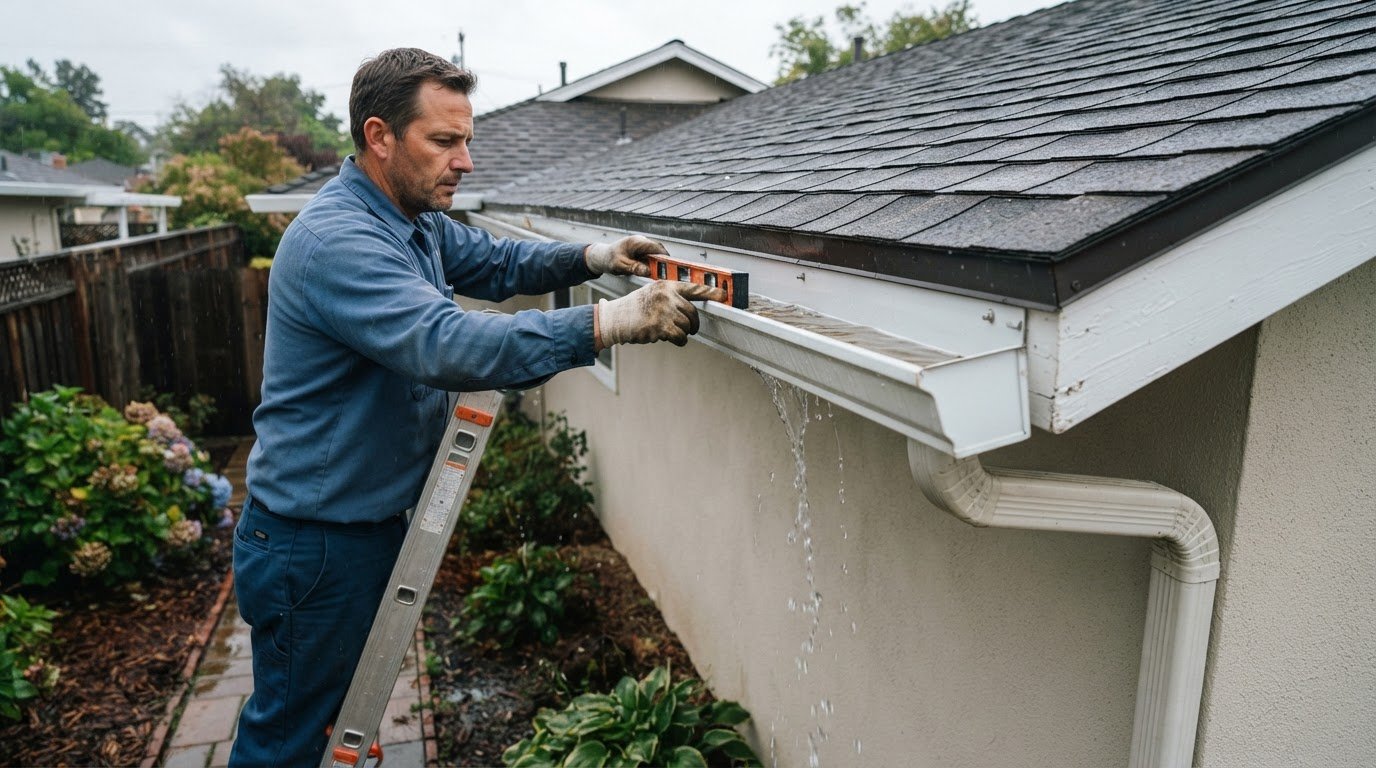
After a storm, photograph visible damage and note the date, including missing shingles, damaged gutters, or interior leaks. Don’t climb onto a wet or unstable roof. Contact your insurance provider promptly to ask how an adjuster will assess suspected storm damage. Before allowing a contractor onto the roof, understand the insurer’s inspection process and whether an adjuster should inspect first. Discuss the claim directly with your insurer rather than relying on a roofer to explain coverage or make claim decisions.
Before signing a contract based on an insurance claim, review the proposed work and any adjuster findings. A roofer can document observations, but the insurer determines coverage. Treat a promise of claim approval as a warning sign if the insurer hasn’t made that decision. Ask for inspection photographs and a written description of each reported problem, then compare those details with the insurer’s assessment.
Warranty claims can also mislead homeowners. Be cautious if a salesperson promises broad coverage but won’t provide the terms in writing. Review the manufacturer’s warranty documents, and make sure the contract states any workmanship coverage, its duration, and applicable conditions. A manufacturer’s warranty and a contractor’s workmanship commitment cover different things, so confirm which applies to each promised repair.
Fake or expired license and insurance documents create another risk. Licensing rules vary across the United States, and some states don’t license roofing contractors statewide. Where applicable, check license status with your local building department or licensing agency. Ask the contractor’s insurance provider to send proof of coverage directly to you, since printed documents can be altered. Confirm that the named business matches the company offering the work.
Insurance fraud can involve exaggerating existing damage, claiming unrelated wear came from a storm, or deliberately damaging shingles to support a claim. Don’t approve a claim that includes work you didn’t observe or understand. If a contractor offers to waive your deductible, promises a guaranteed payout, or urges you to sign an Assignment of Benefits without explaining it, pause. An Assignment of Benefits can affect how claim benefits are handled.
Keep your own records: save photographs, inspection notes, insurer communications, and every version of the contract. These steps help distinguish documented storm damage from sales pressure and make disagreements easier to resolve. A clear record also helps you compare proposed repairs with the insurer’s assessment before authorizing work.
2. What Might Happen If I Hire an Unlicensed Roofing Contractor?
Hiring a contractor without required credentials can leave you with unfinished work, limited options for resolving disputes, or added repair expenses. Licensing rules vary across the United States, and some states don’t license roofers statewide. Before signing, check requirements with your local building department or licensing agency. Confirm the license applies to the person and business named in the agreement and is current.
Insurance gaps create a separate risk if an accident or property damage occurs during the project. Ask the contractor’s insurance provider to send proof of coverage directly to you instead of relying only on a printed certificate. Check that the named business matches the company on the proposal and that the coverage dates include the planned work. Keep the insurer’s documentation with the signed contract.
References can show how contractors manage actual projects beyond the sales conversation. Request local references and read reviews, looking for details about communication, cleanup, schedule changes, and follow-up. A business that provides only a P.O. Box instead of a full address deserves careful scrutiny. Check the Better Business Bureau history for patterns of unresolved complaints, not just one review or rating.
High-pressure contracts can make hiring risky even when a contractor has an identifiable business presence. Don’t sign a form with blank spaces, vague repair descriptions, or terms you haven’t read. For example, a contract that says “replace roof” without specifying materials or scope leaves room for disagreement. Before signing, ask to have every promised task and material documented in writing.
An Assignment of Benefits, often called an AOB, can authorize a contractor to handle certain insurance benefits connected to a claim. Its wording may affect who communicates with the insurer or receives claim payments. Read the entire document before signing, and don’t treat it as ordinary repair paperwork. If you can’t explain what authority it grants, pause until you understand its terms.
Unusually low bids also deserve close comparison. A bid far below two or three other reputable estimates may omit work or rely on later additions. Review the scope line by line, including removal, materials, and cleanup. A low starting figure can lead to a dispute if the contract allows added charges without your written approval.
Paying before credentials and terms are clear increases your risk if work stalls or the contractor disappears. Keep a signed copy of the agreement, license details, insurance records, and payment receipts together. If a contractor demands an immediate signature or refuses to provide records, pause the hiring process. A documented roofing repair agreement gives both sides a clear record of authorized work.
If you need repair work, roofing repair services can be a practical next step after you’ve identified the issue and understand the proposed scope.
3. Documenting labor, materials, costs, and payment schedules
A written estimate should specify what the roofer will do, which materials are included, and when payment is due. Ask for a clear work scope, labor and material costs, project timeline, payment schedule, and warranty terms. For example, “replace damaged shingles” is less precise than naming the affected roof area, materials, and related tasks. Keep the signed estimate and contract with receipts and project messages, so the record reflects what both sides approved.
Deposit practices vary, and there isn’t one payment schedule for every U.S. roofing project. A modest deposit may be about 10-15% to secure scheduling, while most payment should correspond to completed work. Set out each payment milestone in the contract, including what work it covers and how completion will be assessed. This gives homeowners a clear basis for tracking payments against project progress.
What is a fair roofing deposit and payment schedule in the U.S.? A modest deposit may be about 10-15%, with later payments tied to documented project milestones and most of the balance due after work is complete. The written agreement should explain each amount and the work it covers.
A request for 50% or more before materials arrive or work begins is a warning sign. Some dishonest contractors demand full payment in advance, then never start or complete the job. Is it a scam if a roofer asks for full payment upfront? It’s a serious red flag, particularly if the roofer won’t connect payment to completed work. Avoid paying the full amount before the agreed work is finished.
Use traceable payment methods and keep every receipt. Credit card payments create a record and may give you a way to dispute a charge; cash leaves less documentation. If the roofer asks for cash only, requests a large lump sum, or changes payment terms verbally, pause and require an updated written agreement. Don’t pay for work the contract doesn’t describe.
Make sure the contract explains how unexpected work will be handled. Roof decking, for example, may need replacement after shingles come off. The contract should state how added work and costs will be documented and approved. Require written approval for change orders before extra work proceeds. Record the reason for the change, revised scope, added labor or materials, and any schedule impact.
Before signing, check that the total, payment milestones, and completion criteria match across the estimate and contract. Save dated copies of revised documents. A written record helps distinguish an agreed project adjustment from an unexplained demand for more payment after work begins, while receipts show what you’ve paid and when.
4. Door-to-door sales pressure and limited-time offers
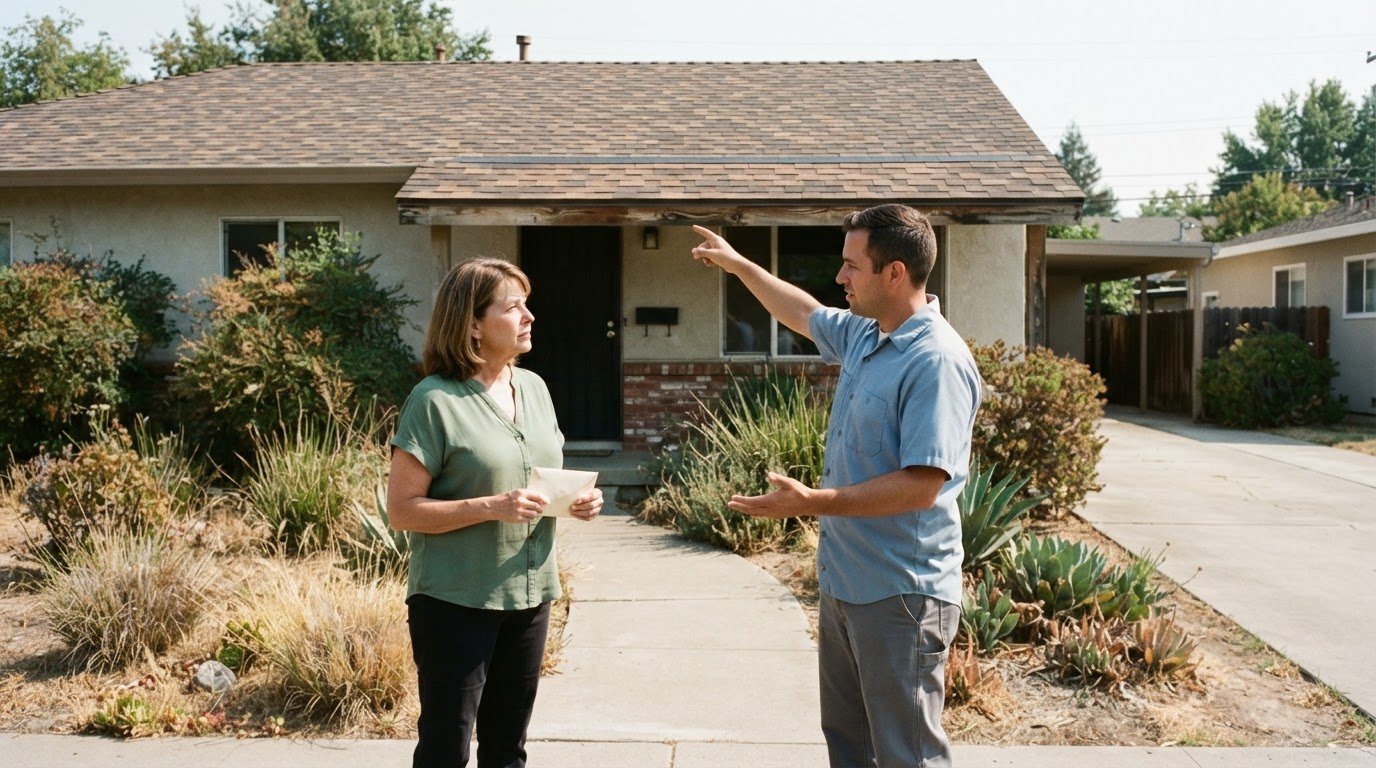
Door-to-door roofing sales often intensify after storms, when visible damage and leaks make quick repairs feel urgent. A salesperson may point to a shingle from the driveway and insist your roof needs immediate replacement. Don’t treat an unexpected visit as proof of damage. Note the person’s business name, ask for written inspection findings, and take time to consider the proposed work.
Storm-chasing sales tactics often rely on a narrow decision window. A roofer may claim they’re already working nearby, then offer a discount on unused materials or a “today only” deal. The offer can make waiting feel costly, but a genuine repair proposal should still describe the work, materials, and schedule in writing. Don’t sign simply because the salesperson says the crew will leave soon.
Set a pause before committing. Homeowners are advised to wait at least 48-72 hours before signing a roofing contract. Use that time to read every page, compare the scope with another written estimate, and discuss storm-related claims directly with your insurance company. If a salesperson objects to that review period, or says the offer disappears before you can understand it, treat the pressure itself as a warning.
Ask for evidence behind every urgent recommendation. For example, request dated photographs of the claimed damage and ask the roofer to explain which repair addresses each image. A broad statement such as “the whole roof is compromised” doesn’t identify specific defects or work. Keep inspection notes with the proposal so you can compare the sales pitch with the written scope.
Separate insurance decisions from sales promises. A door-to-door contractor can explain a proposed repair but shouldn’t promise that your insurance company will approve a claim. Contact the insurer yourself about coverage and claim steps. Be cautious if a salesperson offers to waive your deductible, asks you to exaggerate damage, or urges you to sign an insurance document before you understand its effect.
Before agreeing, write down the salesperson’s name, company, visit date, and exact offer. Check whether the contract matches the discussion, including materials, labor, start conditions, and payment milestones. If the salesperson said a crew would begin after the storm but the contract leaves the start date unclear, ask for the timing in writing before signing. Don’t let verbal urgency replace clear terms.
After repairs are complete, compare the finished work with the approved scope and keep the final documents. A “today only” discount shouldn’t stop you from confirming what was installed or whether the agreed tasks were completed. If a salesperson won’t provide written details or photographs, or allow time for review, end the conversation and decide later without pressure.
5. Door-to-door roofing scams
A knock after a storm can turn a roof concern into an immediate sales decision. Some door-to-door roofers point out damage from the yard, then present themselves as the only crew able to address it quickly. Treat an unsolicited inspection as a sales lead, not a final diagnosis. Ask for the business name, inspector’s name, and photographs of the specific areas being discussed.
Check whether the visitor represents an identifiable, established business before arranging roof access. Look for a full street address, consistent company details, and local references you can contact. A P.O. Box as the only address is a red flag. Search the Better Business Bureau for complaint patterns, then consider whether the company’s responses explain how disputes were resolved.
Keep the inspection on your terms. Ask which areas the roofer intends to inspect and whether they’ll document each claimed defect. For example, a photo of a lifted shingle is more useful when it identifies the roof location and explains the recommended repair. Don’t allow a visitor to create damage, remove roofing materials, or begin work before you’ve agreed to a written scope.
Next, separate an inspection from an insurance decision. A door-to-door contractor can describe visible conditions, but your insurance company makes coverage decisions. Contact the insurer directly about storm claims and share the contractor’s photographs for comparison. A promise of claim approval or an offer to waive your deductible should prompt you to stop and review the proposal carefully.
Use written estimates to check whether the sales pitch matches the proposed work. Request at least three detailed, itemized roofing estimates, then compare materials, repair areas, and included tasks, not just the total. A low bid without a clear scope can conceal omitted work. A much higher proposal should also explain its recommendations in terms you can connect to documented roof conditions.
Keep a brief record of each doorstep visit: date, salesperson, business name, inspection claims, and documents provided. That record helps reveal inconsistencies if another representative later gives a different explanation. Don’t sign blank forms or let a salesperson rush you through unfamiliar insurance paperwork. A reputable contractor should allow you time to read and understand the agreement.
Clear documentation also helps you distinguish a legitimate repair discussion from a roofing scam built around urgency. If you’ve identified roof damage and want a written repair scope, request roofing repair assistance to discuss the work.
GTE Construction & Roofing
GTE Construction & Roofing can help when you’re ready to address roof damage or plan a replacement after evaluating estimates and contract terms. Its Roofing Repair and New Roofing & Installation services give homeowners a path from identifying a roofing need to arranging the relevant work. A clear written scope and payment schedule remain important parts of any project, so review those details before authorizing work. If a contractor’s claims have left you unsure about the roof’s condition, take time to assess the documentation and decide what work is appropriate for your home. Contact GTE Construction & Roofing to discuss your roofing project.
Choose the Next Step with Confidence
Knowing the common roofing scams to avoid helps you make decisions from a position of clarity, not urgency. Use that confidence to choose work that fits your home’s needs, and keep project decisions grounded in clear communication.
GTE Construction & Roofing offers Roofing Repairs and New Roofing Installation for homeowners addressing roof concerns, as well as Kitchen Remodeling for a different home improvement project. The right next step is the one that fits the work you need done.
Contact GTE Construction & Roofing to discuss your project. You can move forward thoughtfully, with a clear understanding of what your home needs.
Frequently Asked Questions
What Are Roofing Scams?
Roofing scams involve misleading claims or pressure designed to secure payment or a contract for unnecessary, inflated, or unfinished work. For example, a salesperson might claim a few missing shingles prove the entire roof needs replacement, or say an insurer has approved repairs before making a decision. Treat claims as claims, not proof: compare documented damage, the proposed scope, and the insurer’s assessment before authorizing work.
What Might Happen If I Hire an Unlicensed Roofing Contractor?
Depending on your state and circumstances, hiring an unlicensed or uninsured roofer can expose you to financial and project risks. In Colorado, a homeowner who hires an uninsured contractor may be liable if an employee is injured on the property. Separately, unpaid suppliers may place a lien on a home even after the homeowner pays the contractor. Confirm applicable local licensing requirements and keep records of payment and supplied materials.
What are the most common roofing scams in the United States?
Common schemes include invented or exaggerated storm damage, promises of guaranteed insurance approval, deductible-waiver offers, large advance-payment demands, and pressure to sign immediately. Another example is a low bid followed by added charges once work begins, supposedly for hidden damage. These warning signs don’t prove fraud by themselves, but they call for documentation: ask what work is proposed, why it’s needed, and how changes will be approved.
How can you spot a roofing contractor storm-chasing scam?
A storm-chasing pitch may start with an unexpected visit after severe weather, a claim that the roofer is already working nearby, or a discount available only that day. Watch for a salesperson who insists on an immediate signature or says a crew must start before you can review the scope. Ask for the business’s full address and written inspection details, then take time to assess the offer independently.
What are signs of roofing insurance fraud or inflated damage claims?
Warning signs include damage described without clear photographs, a contractor urging you to include unrelated repairs in a storm claim, or a promise that insurance will cover the job before the insurer decides. Deliberately damaging a roof to make it appear storm-damaged is also fraudulent. Keep your own photos and compare the contractor’s explanation with the adjuster’s findings. Contact your insurer directly if claim descriptions conflict.
How can homeowners verify a roofer’s license, insurance, and references?
Start with your local building department or licensing agency, since not every state licenses roofers statewide. Ask the contractor’s insurance provider to send proof of coverage directly to you, and confirm the named business matches the one on the proposal. Request local references and reviews, then look for consistent business details, including a full address. A Better Business Bureau history can provide additional context about complaint responses.
What should a roofing contract include to protect homeowners?
A useful contract identifies the work areas, materials, labor, project timeline, total cost, payment schedule, and warranty terms. It should also explain how concealed issues, such as roof decking that needs replacement after shingles are removed, will be documented and priced. Require written approval for change orders before extra work proceeds. Don’t sign a contract with blank spaces or terms you can’t explain in your own words.
How can homeowners compare roofing estimates and identify suspiciously low bids?
Request at least three detailed, itemized estimates, then compare the proposed scope and roofing systems as well as the total. A low bid may omit removal, materials, or other tasks, or increase after work begins because of alleged unforeseen problems. Check whether each estimate describes the same roof areas and materials. Before choosing an offer, ask for unclear differences to be explained in writing.