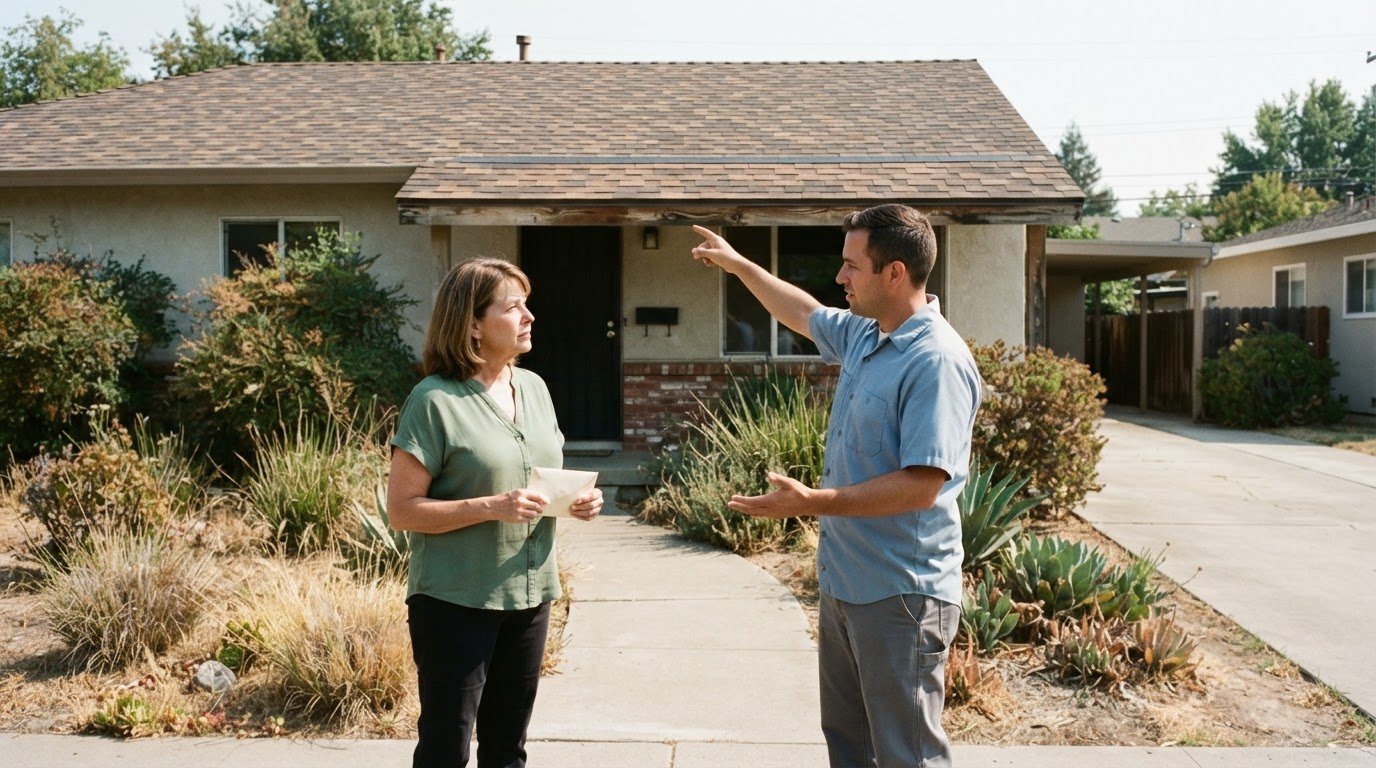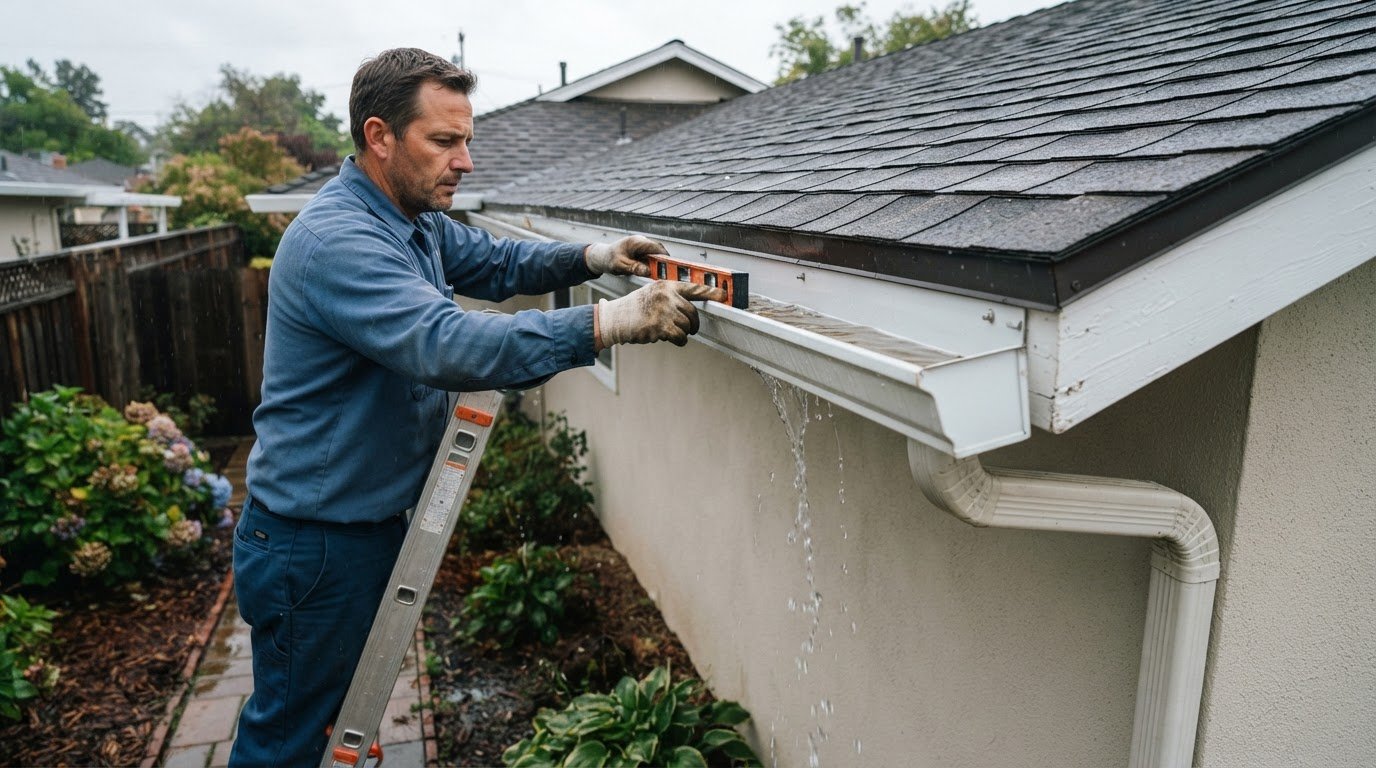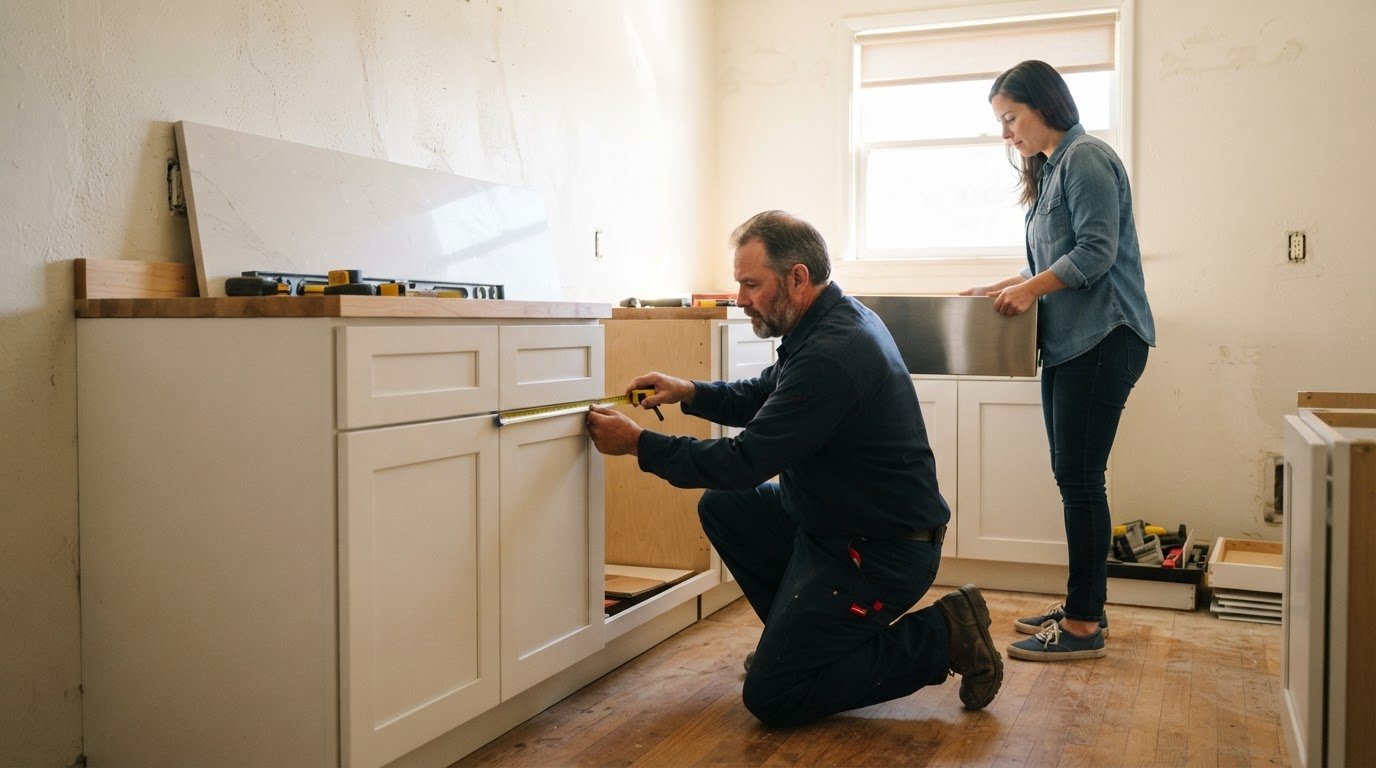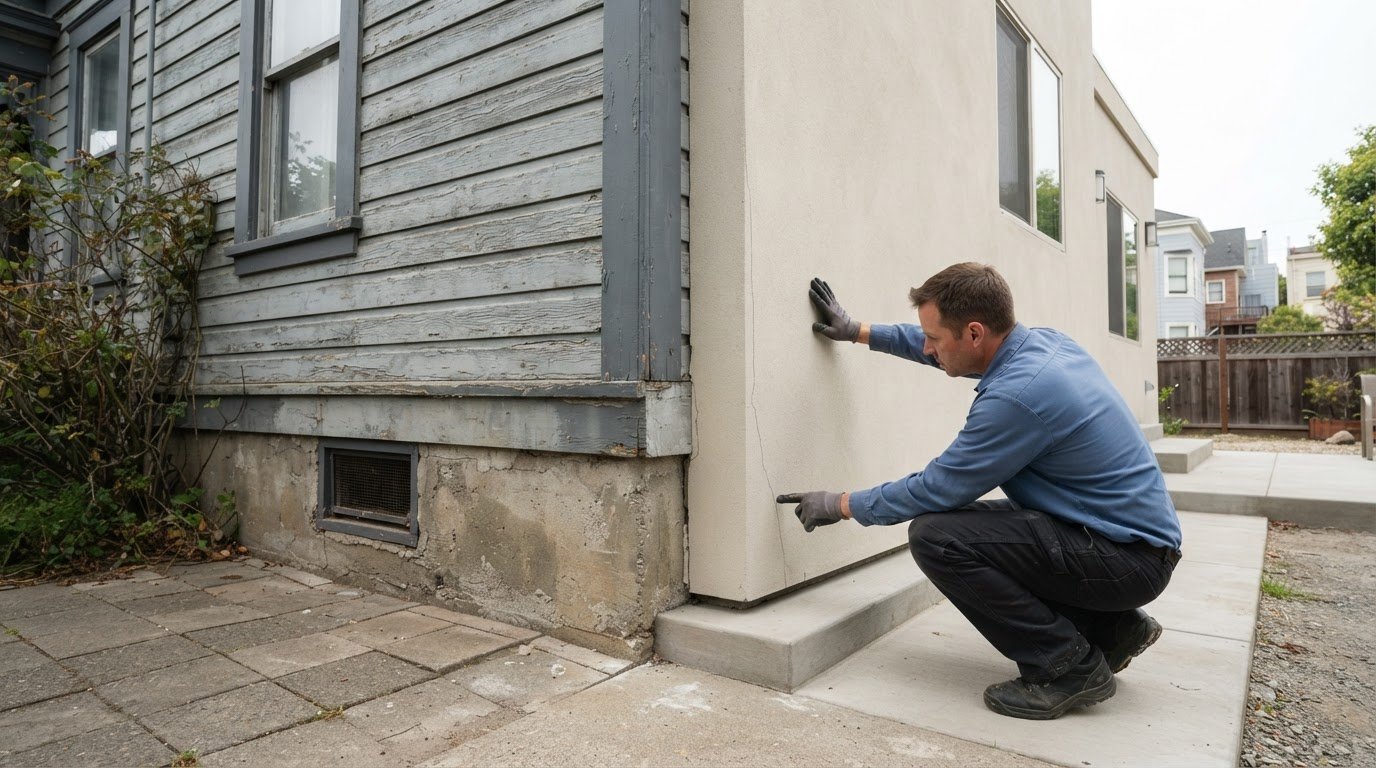
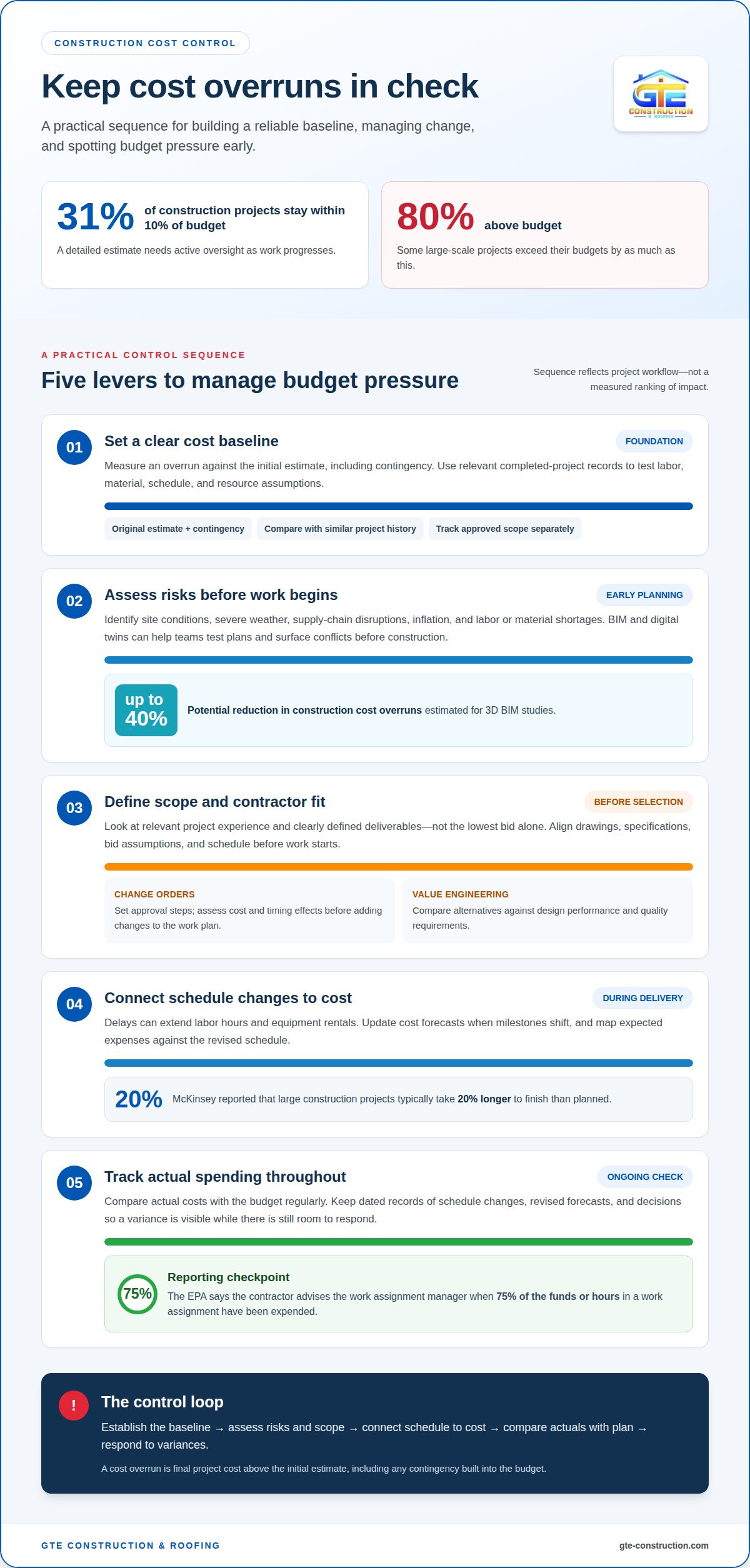
Only 31% of construction projects stay within 10% of their budgets. A cost overrun is the amount by which final project costs exceed the initial estimate, including any contingency built into the budget. Avoiding budget overruns in construction starts with a clear baseline and regular checks on how actual costs compare with the plan.
It’s reasonable to expect a carefully prepared estimate to keep spending predictable, but delays, changing site conditions, and scope adjustments can shift costs as work progresses. The practical response is not simply to set a budget and hope it holds. Track decisions and spending closely enough to spot pressure early.
This article explains how cost overruns happen and how schedule planning, risk assessment, contractor selection, and real-time budget tracking can help control them. You’ll also learn why timely reporting matters: when teams can see a variance while there’s still room to respond, they can make better-informed decisions about the work ahead.
Key Takeaways
- Measure an overrun by comparing final project costs with the initial estimate, including any contingency built into the budget.
- Track schedule changes alongside spending, since delays can add labor hours and extend equipment rental periods.
- Plan for risks early, set clear change-order approval steps, and assess how each proposed change affects cost and timing.
- Consider relevant project experience and clearly defined deliverables, rather than relying on the lowest bid alone.
- Compare actual spending with the budget throughout construction; according to the U.S. Environmental Protection Agency, the contractor advises the work assignment manager when 75 percent of the funds or hours in a work assignment have been expended.
1. What Is a Construction Cost Overrun?
A construction cost overrun occurs when actual project costs exceed the initial estimate, including any contingency built into the budget. Measure it by subtracting the original budget from final costs, then comparing the difference with the original budget. For example, a project finishing 20% above its budget has a 20% overrun. This gives owners a consistent baseline, even when approved changes alter the work.
Cost overruns can strain available funds, force owners to defer planned work, or require decisions about scope. Only 31% of construction projects stay within 10% of their budgets. Some large-scale projects exceed their budgets by as much as 80%. These figures show why a budget needs active oversight, not just a detailed estimate at the outset. The scale of an overrun depends on the project’s planned and actual costs.
Inaccurate estimates are one cause of overruns. Contractors may make overly optimistic assumptions about material and labor costs, availability, production schedules, or weather. Owners can strengthen estimates by comparing planned costs with records of actual spending, timelines, and resource use. Review completed projects with a similar scope and conditions, then adjust assumptions to reflect differences in their outcomes. This makes benchmarks more relevant than a broad average.
Building Information Modeling, or BIM, can help teams examine design details and plan construction before work begins. Teams can use BIM and digital twins to test production plans and evaluate project scenarios. Studies estimate that 3D BIM can reduce construction cost overruns by up to 40%. Modeling supports better decisions by revealing design conflicts or construction challenges early, when teams can assess options before those issues affect actual work.
External factors can shift costs after planning. Unexpected site conditions, severe weather, supply-chain disruptions, inflation, and labor or material shortages can affect budgets and schedules. For example, a delayed material delivery can disrupt planned work and require teams to adjust sequencing. Not every risk is within an owner’s control, but identifying likely exposures during planning makes the estimate more realistic.
What permits, building codes, and local fees should be included in a construction budget? Include applicable permit and review fees, code-related work, and local charges identified for the project’s jurisdiction. Requirements and amounts depend on the project scope and location, so list them as distinct estimate items instead of assuming they are covered elsewhere.
How can value engineering reduce construction costs without compromising quality? Compare materials or construction methods that can achieve the same intended result at a lower cost. Evaluate each alternative against the design’s performance and quality requirements before adopting it. Savings should come from a considered choice, not from removing essential work.
A disciplined estimate combines a clear baseline, relevant project history, and specific allowances for known requirements. Track approved scope changes separately from the original estimate, then compare actual costs against both. This distinction helps show whether a variance comes from changing project goals, inaccurate assumptions, or external factors, giving the team a clearer basis for its next cost-control decision.
2. Project delays, cash flow, and financing impacts
McKinsey reported that large construction projects typically take 20% longer to finish than planned. Each delay can extend labor hours, equipment rentals, and other time-dependent commitments. A project planned for 12 months but completed in 13 may incur additional labor costs during the extra month. Tracking schedule changes alongside cost forecasts helps stakeholders see how lost time affects cash flow.
Cash flow depends on when project expenses are due and when funds become available. A delayed milestone can shift planned payments while labor, equipment, or material expenses continue. This mismatch may leave less money available for upcoming work, even if the total project budget has not changed. Project managers can map expected commitments against the schedule and update the forecast when work slips.
Financing impacts can follow when owners need funds longer than planned or must adjust the timing of draws. The effect depends on the project’s financing terms and the duration and cause of the delay. Keep dated records of schedule changes, revised forecasts, and decisions affecting the work. This gives owners and other stakeholders a clear basis for discussing funding needs and next steps.
In design-bid-build delivery, the design is completed before contractors bid on the documented work. This sequence can establish a defined scope for pricing, but missing details or later design revisions may lead to added work and schedule changes. Before construction starts, align the drawings, specifications, bid assumptions, and schedule. If a revision is needed, record its cost and timing effects before adding it to the work plan.
Early project risk assessment helps teams identify constraints before they disrupt the schedule. Review site access, existing conditions, material availability, and the order in which trades need to work. For example, if a required delivery could affect a scheduled installation, identify an alternative sequence in advance. Accurate estimates also rely on realistic labor, production, and delivery assumptions, rather than optimistic schedules that leave little room to respond.
Connected project data systems bring schedule updates, field information, and cost reports together on one platform. Teams can use current information to compare actual progress with planned milestones and flag emerging delays. Connected systems’ benefits often appear within 12 to 18 months. A practical routine is to update project records as conditions change, review impacts with stakeholders, and revise the forecast before a delay becomes a cash-flow problem.
For projects involving outdoor work, coordinating landscape planning with site access and construction sequencing can help teams identify conflicts early. Explore landscape and design planning as part of an integrated project schedule.
3. Risk management and contingency planning
A practical risk plan identifies threats, assigns responsibility, and sets a response before work begins. Construction budgets should account for market fluctuations, site conditions, and supply disruptions, with contingency funds aligned to defined risk categories. A 5-10% contingency fund is one recommended planning range. The appropriate allowance depends on project risks, including uncertain site conditions and materials with volatile availability. A disciplined approach to avoiding budget overruns in construction starts by making those exposures visible before they affect the work.
Separate contingency into clear categories, such as unexpected site work, material supply changes, and weather-related disruption. For each category, record the risk, its likely effect, who is responsible for monitoring it, and what action to take if it occurs. Reassess these entries as the project develops. A risk register gives owners and project teams a consistent way to discuss emerging issues without treating every change as an emergency.
Scope creep can consume that allowance when small additions accumulate without a clear review. One market estimate states that 45% of projects experience scope creep. Set a change-order process before construction: document the requested change, describe its cost and timeline effects, then obtain approval before the additional work proceeds. For example, changing a room layout may affect materials and follow-on trades, so assess the full sequence rather than pricing only the visible alteration.
Project management software can connect field updates with office planning, helping teams record decisions and compare progress with budget and schedule. Use a shared platform to log risks, assign owners, attach change documentation, and flag deviations. Forecasting models can identify potential overruns 30, 60, or 90 days ahead. These alerts support timely action, but teams still need accurate updates and clear authority to respond.
Timeline management is part of cost control. Only 25% of construction projects meet their planned timelines, so identify dependencies before work starts and track constraints as tasks approach. Daily site check-ins can surface immediate productivity issues; weekly reviews can examine trends and confirm near-term resource plans. If a supply delay threatens a scheduled task, the team can assess resequencing options and document any budget or schedule effects.
When risks create actual cost pressure, communicate promptly with stakeholders. Summarize the cause, affected work, expected schedule impact, and available corrective actions. Agree on a response. If it cannot restore the original plan, establish a revised budget baseline and communicate the new expectations. For avoiding budget overruns in construction, regular risk reviews, documented approvals, and up-to-date software records make contingency a managed resource rather than an untracked reserve.
4. Selecting trusted contractors with relevant project experience
A reliable bid starts with a clear understanding of the design and project documents. Before submitting a bid, contractors should confirm that they have reviewed the plans and specifications. This review can surface missing details, conflicting information, or assumptions that might otherwise become unexpected work. For example, if a drawing shows a feature but the specifications omit its materials, identify the gap in the bid rather than silently excluding it.
How can owners compare bids and avoid low-bid cost overruns? Compare bids against the same plans, specifications, deliverables, and schedule, then review exclusions and assumptions as well as the total. Consider relevant project experience and reliability, not just price. A low bid that omits required work may lead to change orders later.
Relevant experience means more than a general record of completed construction. Match the contractor’s prior work to the project’s scope, design complexity, and site conditions. A contractor familiar with similar sequencing can identify practical constraints in the schedule and pricing. Look for evidence that the proposed team understands coordination needs, such as how one trade’s installation affects the next.
Define contract deliverables before awarding the work. The agreement should describe what the contractor will provide, how the work relates to the design intent, and how changes will be handled. Ask the contractor to affirm that the bid includes all work needed to achieve the architect’s expressed or implied design intent. Clear language helps distinguish an approved scope adjustment from work that was already required.
Change orders need documented review and approval before additional work proceeds. For each proposed change, record its scope, cost implications, and schedule effects, then follow the project’s approval process. For example, when a material substitution is requested, assess whether it meets design requirements and affects delivery timing or related work. This record helps owners understand why the project’s budget or timeline changed.
Financial reporting should make planned and actual spending easy to compare. Agree on a reporting format that identifies completed work, pending commitments, approved changes, and forecast costs. Regular reports can show whether a variance comes from a scope revision, a delivery issue, or a difference between estimated and actual work. Consistent records also help owners address questions while decisions can still affect upcoming tasks.
Selecting a contractor means reviewing both the bid and the contractor’s approach to project controls. Confirm that the proposal reflects current documents, deliverables are defined, and financial updates will track approved changes. These steps help owners judge whether a bid is complete and build a clearer foundation for managing the work.
5. Real-time budget tracking with construction software
Real-time tracking helps teams spot cost variances while there’s still time to respond. Compare actual spending with the planned budget throughout construction instead of waiting for a milestone or invoice review. Construction firms can track costs daily and, in some cases, hourly. Frequent updates help trace a variance to labor, materials, equipment, or a change in work. For teams focused on avoiding budget overruns in construction, the key is timely comparison, not simply collecting more data.
How can contractors track costs and detect budget overruns early? Use construction software to record commitments and actual expenses, then compare them with budget categories and completed work. Set alerts for unusual variances, and assign someone to review and document each one promptly. This turns an emerging discrepancy into a specific action for the project team.
A useful platform connects financial records with field progress and other project data. For example, a team can compare material deliveries, completed tasks, labor hours, and purchase commitments with the current forecast. This helps distinguish a timing difference from a cost that may affect the final budget. Keep categories consistent between the estimate and tracking system so each update can be compared meaningfully.
According to the U.S. Environmental Protection Agency, the contractor advises the work assignment manager when 75 percent of the funds or hours in a work assignment have been expended. A project team can apply this early-warning principle by setting review points before a budget category is exhausted. Treat the threshold as a prompt to update forecasts and discuss the next steps, not as automatic approval for extra spending.
What software and practices help manage construction budgets? Use project management software that links cost reports with field updates, records decisions, and shows current forecasts. Pair it with daily site check-ins and weekly reviews of trends, resource plans, and outstanding commitments. Document who entered each change and when, so owners and project teams can follow how spending develops. Consistent recordkeeping supports avoiding budget overruns in construction by making emerging patterns easier to recognize.
Connected reporting is useful only when teams act on what they see. If material costs or labor hours rise above plan, identify the affected work, explain the cause, and forecast the remaining cost using current progress. Then assess options such as resequencing tasks or revising resource plans. Keep the original budget alongside the updated forecast so planned spending and approved changes remain distinct.
What steps should you take when a construction project is already over budget? Document the activities exceeding their allocations, investigate the causes with team members, and promptly inform stakeholders about cost and schedule effects. Agree on corrective actions. If they cannot restore the plan, establish a revised budget baseline and communicate the new expectations. This keeps future decisions grounded in current project conditions.
For homeowners planning new construction, avoiding budget overruns in construction also means aligning project scope and cost tracking from the outset. Discuss new home construction planning as you consider the work ahead.
GTE Construction & Roofing
GTE Construction & Roofing helps homeowners put practical cost-control principles into action on residential construction and improvement projects. If your plans involve roofing, a kitchen or bathroom remodel, or new home construction, a clear scope and careful decisions can help you understand how the work fits your budget. Discuss your goals, priorities, and planned work so the scope is clear before construction moves ahead. GTE Construction & Roofing provides new roofing installation and roofing repairs, as well as kitchen and bathroom remodeling. Contact GTE Construction & Roofing to discuss your project.
Carry Cost Control Into Your Next Project
A practical approach to avoiding budget overruns in construction starts before work begins: clarify the project’s priorities and scope, then connect decisions to those priorities. This gives you a steady basis for considering proposed changes and understanding their effect on the work. For a home project, define what matters most, what must be included, and which decisions need to be settled before construction progresses. Keep those priorities visible as plans develop, so new ideas can be weighed against the original goals rather than added without consideration.
GTE Construction & Roofing provides New Roofing & Installation, Roofing Repair, and Kitchen Remodeling. If you are planning one of these projects, start by outlining the work you have in mind and the outcomes that matter to you. A clear starting point supports a focused planning conversation and gives you a useful foundation for decisions about scope and project direction.
Contact GTE Construction & Roofing to discuss your project and take the next step with confidence.
Frequently Asked Questions
What Is a Construction Cost Overrun?
A construction cost overrun occurs when a project’s final spending exceeds its budget baseline. For a useful review, separate the original approved scope from later authorized additions. Then sort actual expenses into categories such as labor, materials, equipment, and rework. This helps identify whether the variance came from an estimating gap, a change in project requirements, or work that needed correction.
How Are AI and Predictive Analytics Transforming Overrun Prevention?
AI and predictive analytics can help project teams examine spending patterns and flag emerging cost pressure earlier. A forecast is only as useful as its inputs, so teams need current records for commitments, progress, and schedule changes. For example, a model could highlight rising labor hours on a task before the work is complete. Treat that signal as a prompt to investigate, not a substitute for project judgment.
How Do Real-Time Monitoring and Smart Resource Management Prevent Overruns?
Real-time monitoring connects jobsite activity with resource use, allowing teams to spot waste before it accumulates. Tracking equipment run time, idle time, fuel use, and service intervals can reveal avoidable operating costs. If equipment remains idle while a work area is inaccessible, managers can review sequencing or deployment. Recording these details also helps explain variances and inform resource plans for the remaining work.
How common are construction budget deviations?
Budget deviations are common in large real estate projects: 78% of corporate and public real estate owners in the United States regularly exceed their construction budgets. That figure describes those owners, not every residential project. For an individual project, the useful measure is how actual spending compares with its approved baseline, reviewed alongside scope and schedule changes.
What drives budget overruns?
Budget overruns often develop when several pressures compound rather than from one isolated expense. For example, a delayed approval can hold up a trade, disrupt the next task, and leave labor or equipment underused. A separate design revision may then require additional materials. Reviewing how decisions, sequencing, and resource use affect one another helps teams find root causes instead of treating each variance independently.
What are the most common causes of construction budget overruns?
Common causes include inaccurate estimates, scope changes, schedule slippage, unexpected site conditions, and shortages or price changes affecting labor and materials. Rework can also raise spending: an incorrectly installed fixture, for instance, may require replacement materials and additional labor. Separate preventable issues, such as unclear work instructions, from external disruptions. That distinction helps teams choose corrective actions that fit the cause.
How do you create an accurate construction project budget and contingency reserve?
Build the budget from a defined scope, coordinated plans, realistic labor and material assumptions, and project-specific site information. Use historical costs from comparable completed work to test those assumptions, then identify risks that could change the forecast. Set contingency against defined risk categories rather than treating it as general spending money. Record how its use is approved, tracked, and reflected in the remaining forecast.
What construction cost-estimating methods improve budget accuracy?
Combine methods so one estimate can be checked against another. Review quantities against the documented scope, compare unit assumptions with historical project costs, and test whether labor and delivery schedules are realistic. Building Information Modeling can help teams examine design details and assess scenarios before construction. Record the assumptions behind each estimate so actual results can improve future cost planning.