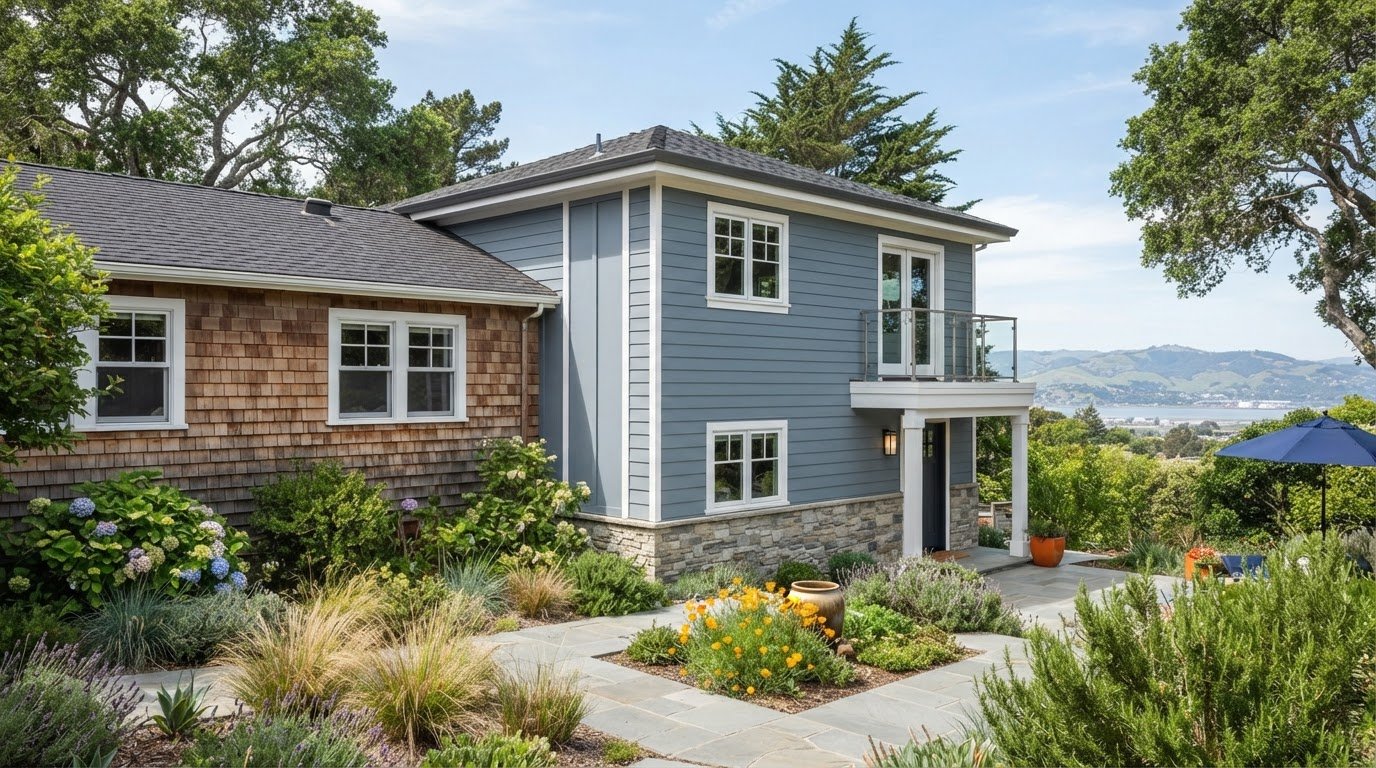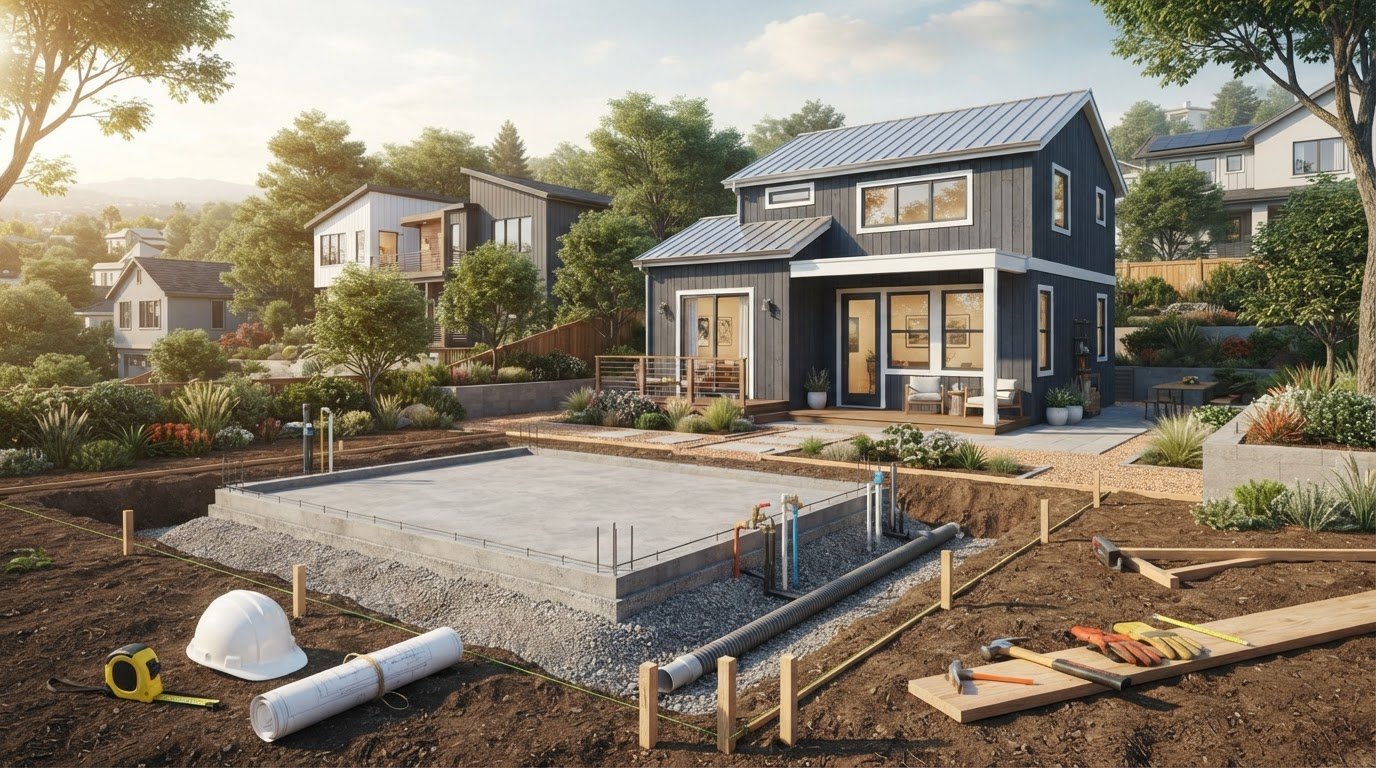
The siding that makes an addition look right may not exactly match the original material. Choosing siding for a home addition means balancing visual fit with durability, maintenance, and exposure to moisture. When an exact match isn’t practical, complementary colors and textures can make the new section feel intentional.
It’s natural to focus first on how the addition will look beside the rest of your home. But the right choice also needs to suit the upkeep you want and the conditions around the house.
This guide compares common siding options, including fiber cement, vinyl, cedar, engineered wood, stucco, and manufactured stone veneer. You’ll learn what to consider for durability and moisture exposure, how color and texture can connect old and new, and when a coordinated contrast may work better than a near-match. With those priorities clear, you can narrow the options to a finish that suits both the addition and your home.
Key Takeaways
- Compare siding by durability, upkeep, and moisture exposure, not appearance alone; each material brings different trade-offs.
- Fiber cement can offer a range of looks, while local climate also matters: the U.S. Environmental Protection Agency projects more days above 95°F with climate change.
- Consider moisture carefully when weighing cedar or engineered wood, and account for the conditions where the siding will be installed.
- To help an addition feel cohesive, coordinate color, trim, and texture with the existing exterior; a deliberate contrast can work, too.
- Installed siding costs depend on the project, so compare estimates by the materials and work each one covers.
1. Fiber cement siding versatility and durability
Fiber cement can help an addition relate to an existing exterior without copying every detail. HardiePlank fiber cement siding can imitate cedar, stucco, or brick, echoing a nearby finish in a different material. Its durability, fire resistance, and resistance to termites make it an option to consider when those qualities matter. The finished effect still depends on color, texture, trim, and how the new wall meets the original house.
Climate belongs in the material decision, not just the design discussion. According to the U.S. Environmental Protection Agency, days above 95°F are projected to increase with climate change, making heat exposure a consideration for siding on an addition. Compare the materials’ expected performance with conditions around your home, including direct sun and moisture. For example, a sunny wall may face different exposure from a sheltered wall beneath a roof overhang.
Stone veneer offers the appearance of masonry. Manufactured stone veneer costs less to install than natural stone but is not as durable. Brick can create a substantial, traditional look; its condition over time also depends on the masonry and care given to its joints. Include brickwork and mortar joints in exterior inspections, and address visible deterioration before it affects the surrounding finish. These materials can suit an addition, but their detailing and relationship to the existing exterior should guide the design.
What affects siding costs for a home addition? Material, wall shape, surface preparation, trim details, and the number of openings all affect the materials and labor required. Manufactured stone veneer costs less to install than natural stone, while the overall project cost also depends on design and installation work.
What are the maintenance needs and expected lifespan of common siding materials? Cedar can rot with excessive moisture and is vulnerable to insects, so inspect its surface and joints for damage. Stucco can last 50-80 years, while vinyl needs no painting or grout work, though mold and grime can accumulate. Brick maintenance includes checking the masonry and mortar joints for visible wear.
How can you estimate siding quantities and account for windows, doors, and waste? Measure each wall’s height and width and total the wall areas, then subtract window and door openings. Measure gables and other sided sections separately. Record trim areas and account for installation waste based on the layout and material cuts, rather than treating every wall as a simple rectangle.
For a home addition, compare durability alongside appearance and maintenance. Fiber cement offers several visual profiles, while brick and stone veneer bring masonry character. The right fit complements the existing exterior and suits the addition’s exposure.
2. Contractor guidance on siding materials
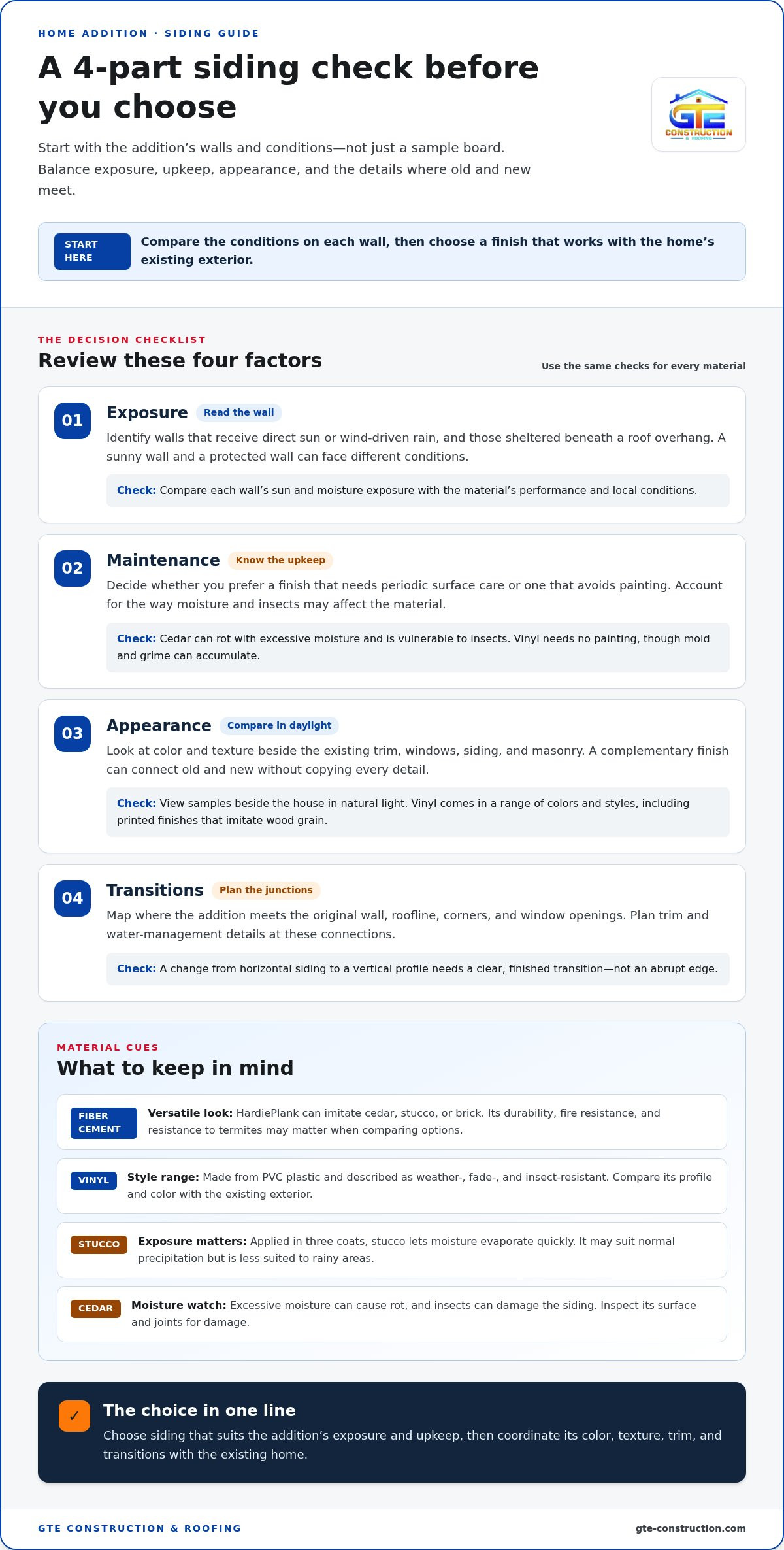
Start with the wall, not a sample board. Compare the addition’s sun and rain exposure, shape, and connection to the existing exterior. Then consider how each material handles those conditions and what upkeep it requires. For example, a sheltered wall beneath a roof overhang faces different moisture exposure from an exposed gable.
Vinyl siding is made from durable PVC plastic and is described as weather-, fade-, and insect-resistant. It comes in a range of colors and styles, including printed finishes that imitate natural wood grain. That variety can help coordinate an addition with existing siding without repeating the same profile. View a sample beside the house in daylight and compare its color and texture with the trim, windows, and neighboring walls.
Installation details matter as much as the siding itself. Before choosing a finish, map where the addition meets the original wall, roofline, corners, and window openings. Plan coherent trim and water-management details at these junctions. For example, a change from horizontal siding to a vertical profile needs a clear transition, not an abrupt, unfinished edge. Consistent detailing helps different materials look intentional.
Stucco requires a different installation approach: it is applied in three coats. This layered process can create a continuous surface, but the wall details and surrounding conditions still matter. Stucco’s breathability allows moisture to evaporate quickly, making it suitable where precipitation is normal but less suited to rainy areas. Compare the wall’s exposure with local conditions before settling on this finish.
Use a short material review before deciding:
- Exposure: Identify the walls receiving direct sun, wind-driven rain, or shelter from an overhang.
- Maintenance: Consider whether you prefer a finish that needs periodic surface care or one that avoids painting.
- Appearance: Compare samples with existing trim, masonry, and siding in natural light.
- Transitions: Plan how corners, openings, and the connection to the original house will be finished.
For cedar, pay particular attention to moisture and insects: excessive moisture can cause rot, and insects can damage the siding. With vinyl, consider how its profile and color will look alongside the existing exterior. The useful comparison isn’t simply which material sounds most durable, but which one suits the addition’s exposure, design, and maintenance needs.
Bring those decisions together before installation begins: select the material, review wall transitions, and coordinate trim and openings. If the addition’s exterior needs to be considered alongside the broader project, plan the exterior work as a whole.
3. Engineered wood maintenance and moisture risk
Engineered wood can give an addition a wood-like appearance while costing less and being easier to install than natural wood. Its key trade-off is moisture: the material is prone to moisture invasion. That makes the wall’s exposure and installation details central to the decision. A covered wall protected from direct rain has different conditions from a wall near roof runoff or ground splash.
How climate and local weather affect siding choices and durability: frequent rain, damp conditions, and strong sun all influence how siding performs over time. For engineered wood, moisture exposure deserves particular attention because water can enter the material. Consider the addition’s orientation, nearby overhangs, and how rain moves from the roof toward the walls.
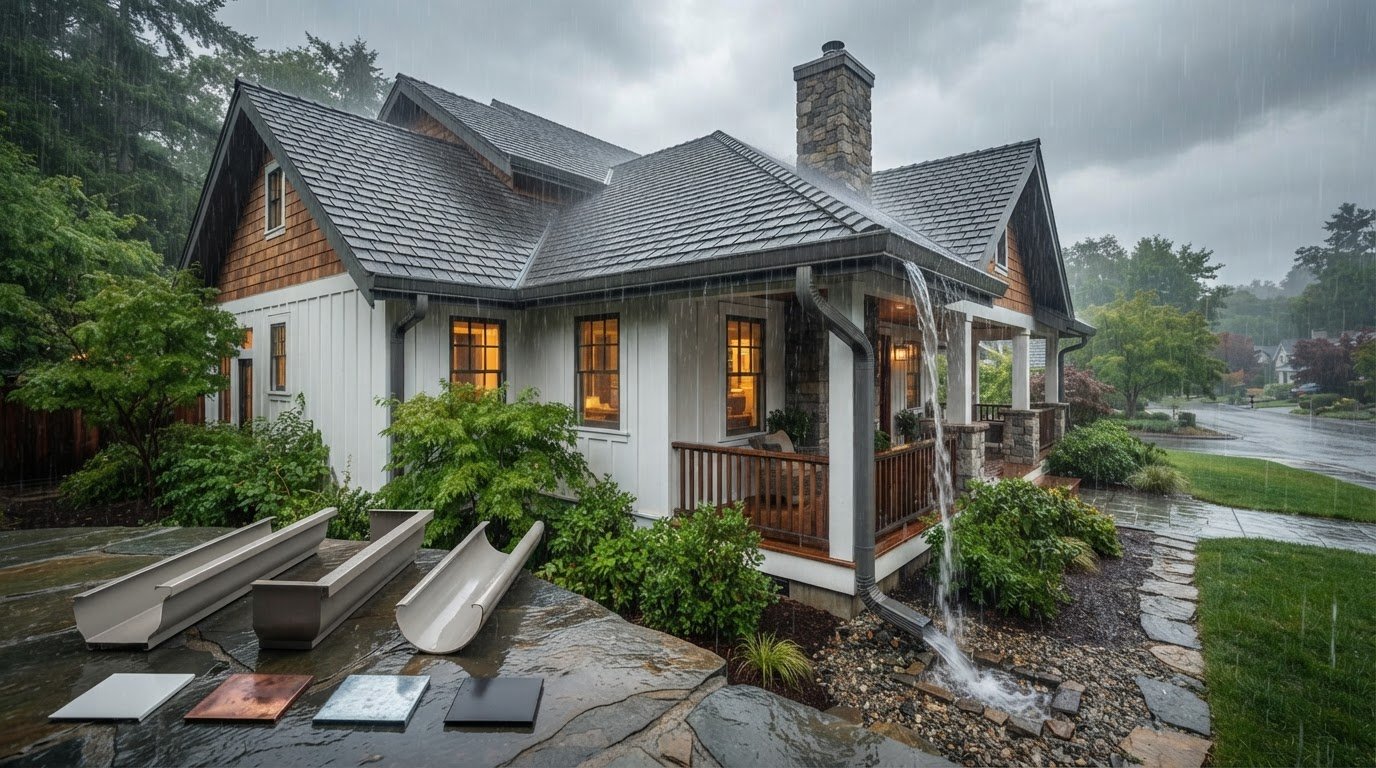
Before choosing engineered wood, walk around the addition and identify likely water paths. Check where roof edges meet walls, where windows and doors interrupt the siding, and where runoff could collect. Consider the gutters, too: poor drainage can direct water toward siding instead of away from it. These observations help you decide whether the material suits the location and which details need careful attention.
How siding installation details prevent water intrusion at an addition: maintain a continuous weather barrier and integrate it carefully around windows, doors, and roof-to-wall connections. NIST describes a house that used a continuous membrane to seal out air and moisture, along with foam panels on the exterior. The example highlights why wall layers should be treated as a connected system, not simply covered with siding over an unexamined surface.
Maintenance starts with noticing changes. Look for damaged edges, open joints, peeling finishes, or areas that stay damp after rain. Check around windows and doors, where siding meets trim, and below roof runoff paths. If a problem appears, identify its water source before addressing the surface. Covering a stain without correcting the source may leave the underlying moisture issue in place.
- Before installation: Map roof runoff, exposed wall sections, and openings.
- During installation: Keep the weather barrier continuous and detail transitions carefully.
- During upkeep: Inspect edges, joints, and trim for signs of moisture or damage.
Compare engineered wood with the addition’s actual exposure, rather than choosing solely for appearance or ease of installation. A wall exposed to persistent rain, for example, needs closer moisture planning than a sheltered wall. Matching the material to the wall conditions and maintaining the exterior details can help limit moisture-related concerns over the siding’s service life.
4. Matching addition siding to an existing home
A successful match considers the whole exterior, not just siding color. Compare the addition with the original home’s roofline, trim, window proportions, and visible materials. A siding sample that looks close beside a small color chip may look different across a full wall. View samples beside the house in daylight, then compare them from the street and the yard.
What building codes and permits apply to siding a home addition? Requirements depend on the local jurisdiction and the scope of the addition. The applicable authorities determine which rules and approvals govern the work, so there is no single siding requirement that applies everywhere.
Color can connect the new section to the original without forcing an exact match. Contrasting neutrals, such as light siding with dark trim, create distinction while coordinating the palette. A monochromatic exterior can also work, using subtle color variations to define the addition. Compare siding, trim, and existing masonry together; choosing each color in isolation can create an unintended clash.
How do you choose siding color, texture, and profile for an addition? Start by identifying the home’s dominant tones, then compare profiles and textures with its existing exterior. A different texture can add visual interest or draw attention to windows, while a coordinated profile can make the addition feel more continuous. For clean, modern lines, keep transitions and trim details simple and consistent.
Texture is especially useful when the existing siding is difficult to reproduce. A complementary texture can distinguish the addition without making it feel disconnected. For example, use restrained contrast around a window or on a secondary wall rather than introducing a new finish across every visible surface. Board-and-batten siding suits a range of architectural styles and applications, so its vertical lines can create a deliberate change from horizontal siding.
Older brick or stone can be harder to match than painted trim. Finding the same appearance may require a specialist to identify the existing material’s color and supplier. Before choosing a substitute, compare samples against the masonry in different light and from several angles. A near-match can be more noticeable than a clearly intentional contrast, especially where the old and new walls meet.
- Inventory: Note existing siding, brick, stone, trim, roof color, and window styles.
- Compare: Place full-size samples against the addition and adjacent original walls.
- Coordinate: Decide whether color, profile, or texture will create the strongest visual connection.
- Review: Look at the transition from the street, yard, and nearby windows.
These comparisons make choosing siding for a home addition a design decision grounded in the existing house. A related color with a distinct texture can look intentional, while matching established details can create a closer visual blend.
5. US siding installation cost per square foot
There isn’t one installed siding rate that fits every home addition in the United States. The final amount depends on the chosen material, wall shape, surface preparation, trim, access, and installation details. A simple rectangular wall with few openings requires different work from a wall with multiple windows, corners, and a roofline connection.
For a useful per-square-foot comparison, measure the siding area rather than the addition’s floor area. Measure each exterior wall, include gables and other sided sections, and subtract window and door openings. Then divide the installed project total by the measured siding area. Use the same measurement method across estimates so each figure reflects a comparable scope.
The material affects both the product allowance and the installation work. Manufactured stone veneer, for example, costs less to install than natural stone but isn’t as durable. Stucco is applied in three coats, while vinyl siding avoids painting and grout work. These differences affect labor and materials, so compare each material’s scope rather than treating every square foot as equivalent.
Preparation and detailing also shape the installed total. A surface that needs repair or extra preparation requires different work from a ready-to-side wall. Trim around windows, doors, corners, and the connection to the original house adds detail beyond the flat wall area. Restricted access can also affect how materials and equipment reach the addition.
Price depends on the project and is provided after a quote request; key factors include material, measured area, surface preparation, openings, trim, access, and installation complexity.
- Define the material: Compare vinyl, fiber cement, stucco, or veneer as separate scopes.
- Measure the walls: Include gables and subtract windows and doors consistently.
- Record details: Note corners, trim, roofline connections, and existing surface conditions.
- Compare scope: Check whether preparation, material, installation, and finishing details are included.
Account for waste separately from the net wall measurement. Siding must be cut around openings and wall edges, and the amount depends on the layout and profile. Ask for the measured area and material allowance to be shown separately, so you can understand what the estimate covers without assuming every purchased piece becomes installed surface.
For a fair comparison, review the same material, wall area, preparation, and finishing details in each estimate. If the addition’s roof drainage also needs planning, coordinate the roof and gutter work with the exterior project. Clear scope makes the cost per square foot more meaningful than a headline figure alone.
GTE Construction & Roofing: New Roofing & Installation
GTE Construction & Roofing provides New Roofing & Installation and Roofing Repair for homeowners planning exterior work. If your addition includes a new roof or changes where the roof meets the existing home, roofing work is an important part of coordinating the exterior. Siding remains its own material and design choice, but rooflines and wall connections should be considered together during project planning.
For an existing roof with damage, Roofing Repair may address that separate need before or alongside other planned work. Keeping the roofing scope clear helps you understand how it relates to the addition’s exterior without confusing roofing work with siding selection.
Contact GTE Construction & Roofing to discuss your roofing needs, or visit gte-construction.com.
Plan the Exterior Before Work Begins
Before ordering siding, record the decisions that will shape the addition’s connection to your home: material transitions, trim details, and features you want to emphasize. Bringing these preferences into early project discussions gives the design and construction work a shared direction. Choosing siding for a home addition is easier when you consider how the new exterior will look and function as part of the whole house.
GTE Construction & Roofing can help with home additions and related planning. Its services also include New Roofing & Installation, Roofing Repair, and Kitchen Remodeling, which may be relevant when an addition connects with roof work or an updated interior. Start by describing how you want the new space to feel, then discuss how its exterior should relate to the existing home.
Contact GTE Construction & Roofing to discuss your project and take the next step with a clear direction.
Frequently Asked Questions
What Exterior Siding is Most Suited for Your Home Addition?
The right siding is the material that suits the addition’s exposure, upkeep needs, and architectural connection to your house. If low maintenance is a priority, vinyl may appeal; fiber cement offers varied visual finishes. In San Francisco, Sacramento, Alameda County, and Contra Costa County, consider the property’s actual conditions, such as sun exposure and whether the walls are sheltered or exposed.
What Siding Options are Available for a New Home?
Common options include vinyl, fiber cement, natural wood, engineered wood, stucco, brick, and manufactured stone veneer. Each creates a different exterior character: wood offers a natural appearance, while brick and veneer create a masonry look. Narrow the choice by deciding whether you want a continuous finish, visible siding boards, or a masonry-style surface, then compare maintenance and moisture considerations.
What is the best exterior siding installation material for older homes?
There isn’t one best material for every older home; the existing facade and its condition should guide the decision. In San Francisco, Sacramento, Alameda County, and Contra Costa County, homes with distinctive brick or stone benefit from a finish that respects those surfaces. If the existing siding is wood, compare a compatible profile with alternatives that suit the wall’s exposure and your preferred level of upkeep.
What makes vinyl siding a cost-effective exterior siding installation choice?
Vinyl can be cost-effective because it doesn’t require painting or grout work, and it comes in colors and styles, including finishes printed to imitate wood grain. Its value depends on the whole project, not just the panels: layout, openings, trim, and preparation affect the installation work. Factor in cleaning, too, since mold and grime can accumulate on vinyl surfaces.
How to match siding on a home addition to the existing house
Compare the home’s visible exterior materials, trim, and roof color, then decide whether the addition should blend in or create a deliberate contrast. For a more controlled comparison, place samples beside the existing wall and view them from the street and yard. Coordinate transitions at corners and openings so the material change looks intentional, not like an isolated patch.
What siding materials are best for a home addition: vinyl, fiber cement, wood, or engineered wood
Choose based on the trade-off that matters most to you. Vinyl offers color and style options without painting or grout work; fiber cement can imitate several finishes. Natural cedar has a distinct wood appearance, while engineered wood costs less and is easier to install than natural wood but is prone to moisture invasion. Compare the addition’s exposure and maintenance demands before deciding.
Can different siding materials be used on an addition and the existing home
Yes. Different materials can work together when the change looks deliberate and the transition is well planned. For example, a new siding profile can distinguish the addition while coordinating with the home’s trim or existing exterior colors. Compare samples where the walls meet, and consider how the contrast looks from several viewpoints, including windows that overlook the addition.