A reliable roof estimate is actually a structural diagnostic of your home’s integrity, not a simple calculation of square footage. If you’re a homeowner in the Bay Area or Sacramento, you’ve likely felt the weight of rising labor costs and the complexity of new 2026 California building codes. It’s natural to feel overwhelmed by the choice between immediate savings and long-term durability. This guide provides a professional new roof cost estimator framework to help you budget with precision while accounting for Title 24 cool roof requirements and the latest Wildland-Urban Interface safety standards.
You’ll gain a realistic understanding of why professional installation carries a premium and how to identify a licensed contractor who protects your investment. We will examine the variables that dictate your final bill, from material resilience to the hidden structural repairs that often surprise unprepared owners. By the end of this guide, you’ll have the clarity needed to move forward with absolute confidence in your property’s safety and aesthetic value. Our goal is to replace uncertainty with a methodical plan for your home’s most critical layer of protection.
Key Takeaways
- Learn to decode the “roofing square” measurement and understand why a professional tear-off of old materials is essential for a precise budget.
- Evaluate the cost-to-value ratio of architectural shingles versus fire-resistant metal roofing to prioritize both durability and aesthetic appeal.
- Master a professional new roof cost estimator framework that accounts for California Title 24 reflectivity standards and regional permit requirements.
- Discover how to calculate a realistic “waste factor” to ensure you have sufficient materials for complex roof features like eaves and overhangs.
- Understand the long-term security of hiring a licensed general contractor who manages both structural integrity and integrated gutter systems.
Understanding the Foundation of a New Roof Cost Estimate
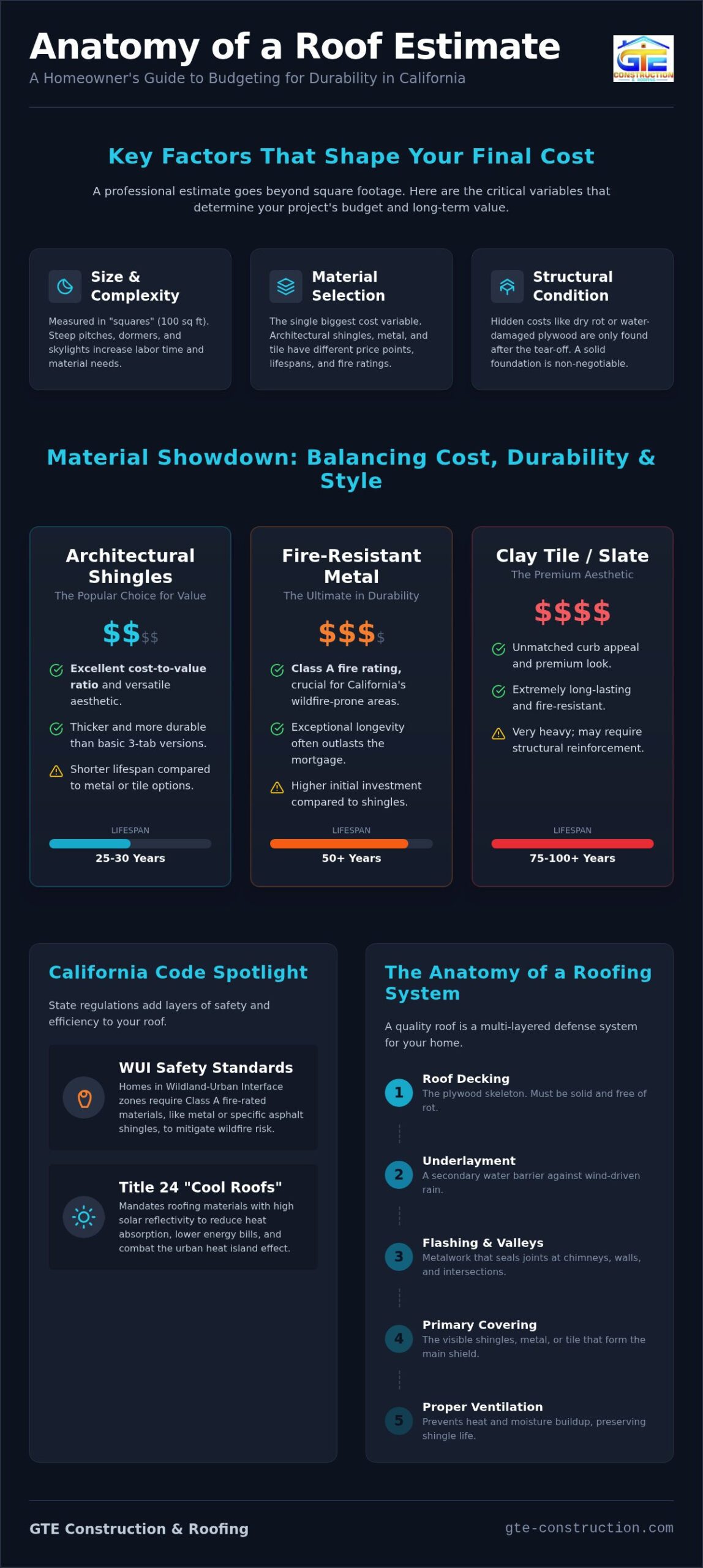
Precision in budgeting begins with understanding how professionals measure your home. The industry standard unit of measurement is the “square,” which represents 100 square feet of roof surface. While a simple new roof cost estimator might provide a ballpark figure based on your home’s footprint, a professional quote accounts for the actual surface area, including eaves and overhangs. The geometry of your roof plays a significant role in the final investment. A steep roof pitch requires specialized safety equipment and more labor hours, which naturally increases the cost compared to a flat or low-slope surface.
A thorough estimate must also include the “tear-off” process. Removing existing layers of shingles is a non-negotiable step for any high-quality installation. This process allows us to inspect the skeleton of your home and ensures the new materials bond correctly to the deck. Skipping this step or failing to account for it in your budget leads to premature failure and voided warranties. We prioritize transparency by distinguishing between a generic estimate and a detailed structural quote that reflects the unique nuances of your property.
The Components of a Complete Roofing System
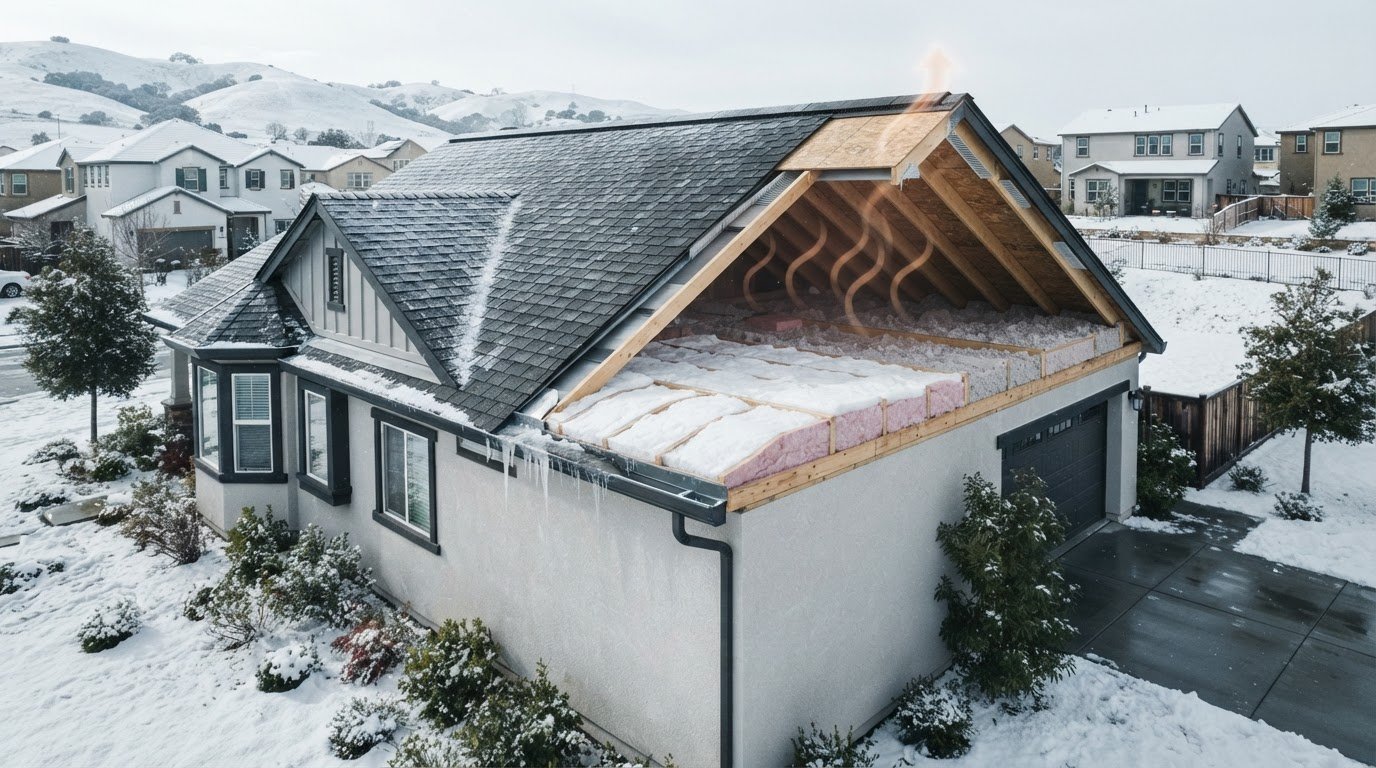
A roof is a multi-layered system designed for long-term protection, not just a collection of shingles. Professionals evaluate several critical layers that generic calculators often overlook. Underlayment serves as your secondary water barrier and your last line of defense against wind-driven rain. Flashing and valleys are the metal transitions at joints, chimneys, and skylights. Because these areas are prone to leaks, waterproofing them is the most labor-intensive part of the project. Proper ventilation is also essential. It prevents heat buildup and moisture accumulation, which preserves the integrity of your shingles. For homeowners exploring their options, a comprehensive overview of roofing materials can help clarify how these components work together to ensure longevity.
Structural Integrity and Hidden Costs
Reliable budgeting requires looking beneath the surface. After significant California storms, the roof deck often hides signs of dry rot or water damage that aren’t visible from the ground. Plywood replacement is a variable that a standard new roof cost estimator cannot fully predict until the old materials are removed. This is why we emphasize the importance of professional roof integrity inspection services to prevent budget overruns. By identifying compromised wood early, you ensure the new installation sits on a solid, safe foundation. This methodical approach provides peace of mind and ensures your home remains protected for decades to come.
Material Selection: Comparing Longevity and Value
Asphalt Shingles vs. Alternative Materials
The choice between standard 3-tab and luxury architectural shingles is both visual and functional. Using a professional new roof cost estimator helps you see how these tiers impact your long-term return on investment. Luxury shingles offer superior wind resistance and a longer lifespan, making them a wise choice for the varied climates of the Bay Area and Sacramento. To meet strict California energy standards, many homeowners now opt for “Cool Roof” materials. These products are designed with granules that reflect solar energy, reducing the heat transferred into your home. If you want the look of traditional materials without the structural strain, synthetic and composite options provide a lightweight yet durable alternative. For a deeper look at lifespans, the US Forest Service roofing material guide offers detailed data on how different surfaces perform over time. These alternatives allow you to achieve a specific aesthetic while maintaining high performance standards.
The Impact of Gutter Systems on Roof Cost
A new roof is only as effective as the drainage system that supports it. Replacing your gutters during a roof installation is the most cost-effective path because it allows for seamless integration and shared labor costs. We recommend seamless gutter replacement to protect your foundation from water runoff and erosion. Properly placed downspouts and high-quality gutter guards ensure that water moves away from your home’s structural elements. This holistic approach prevents moisture from seeping into the roof deck or siding, which preserves the longevity of your new investment. If you are ready to evaluate your home’s specific needs, consulting with a licensed professional ensures your material choices align with both your budget and local building codes.
California Regional Variables: Permits, Codes, and Climate
Budgeting for a replacement requires more than just picking materials; it demands an understanding of the strict regulatory environment in Northern California. A professional new roof cost estimator must account for California Title 24 Energy Code requirements, which dictate specific solar reflectance and thermal emittance standards. These “cool roof” regulations are designed to reduce urban heat islands and lower your energy consumption. In the Sacramento Valley, meeting these standards often involves selecting lighter colored shingles or specialized granules that reflect UV rays. Meanwhile, in Alameda and Contra Costa counties, the local labor market is influenced by a high demand for skilled tradespeople, which can impact the overall project timeline and cost compared to more rural areas.
Seismic considerations also play a vital role in Northern California roofing. Because our region is prone to tectonic activity, building codes often limit the weight of roofing materials allowed on certain residential structures. If you’re considering heavy clay tiles or slate, we must evaluate whether your home’s frame can support the load during a seismic event. This structural assessment ensures your property remains safe and compliant with modern safety standards. By addressing these variables early, you avoid the complications that arise from choosing materials that don’t align with local engineering requirements.
Navigating Local Building Permits
Managing the permit process is a core responsibility of a seasoned general contractor. Permit fees and inspection requirements vary between San Francisco and Sacramento, reflecting the unique priorities of each municipality. While San Francisco might focus heavily on historical preservation, Sacramento often emphasizes heat mitigation. Attempting unpermitted work is a significant risk that can decrease your home’s resale value and void manufacturer warranties. Northern California municipalities typically require specific inspection milestones, including a deck inspection after the old roof is removed and a final inspection once the new system is installed. These checks provide a layer of professional oversight that guarantees the work meets every safety code.
Climate-Specific Roofing Needs
Our region faces distinct environmental challenges that require specialized roofing solutions. We prepare for the intense Atmospheric Rivers that have become more common by using enhanced waterproofing membranes and high quality underlayment. In Wildland-Urban Interface (WUI) zones, the 2026 California code mandates Class A fire-rated roof assemblies. This means wood shakes are no longer an option in these designated areas, regardless of fire retardant treatment. In the Sacramento Valley, we prioritize materials that resist thermal expansion. The extreme temperature swings from cool nights to blistering afternoon heat can cause lower quality materials to warp. Using a new roof cost estimator that factors in these climate-resilient materials ensures your home stays protected against fire, rain, and heat for decades.
The Professional Estimator Framework: Calculating Your Budget
A professional new roof cost estimator framework provides a level of detail that automated web tools simply cannot match. While a generic calculator might ask for your home’s square footage, a seasoned contractor measures the entire footprint, specifically accounting for eaves and overhangs that extend beyond the exterior walls. These areas represent significant surface area that must be protected. We also apply a standard “waste factor” of 10% to 15%. This allowance ensures there are enough shingles and underlayment to cover the cuts and overlaps required for a watertight finish. Precision at this stage prevents mid-project delays and ensures material orders are accurate.
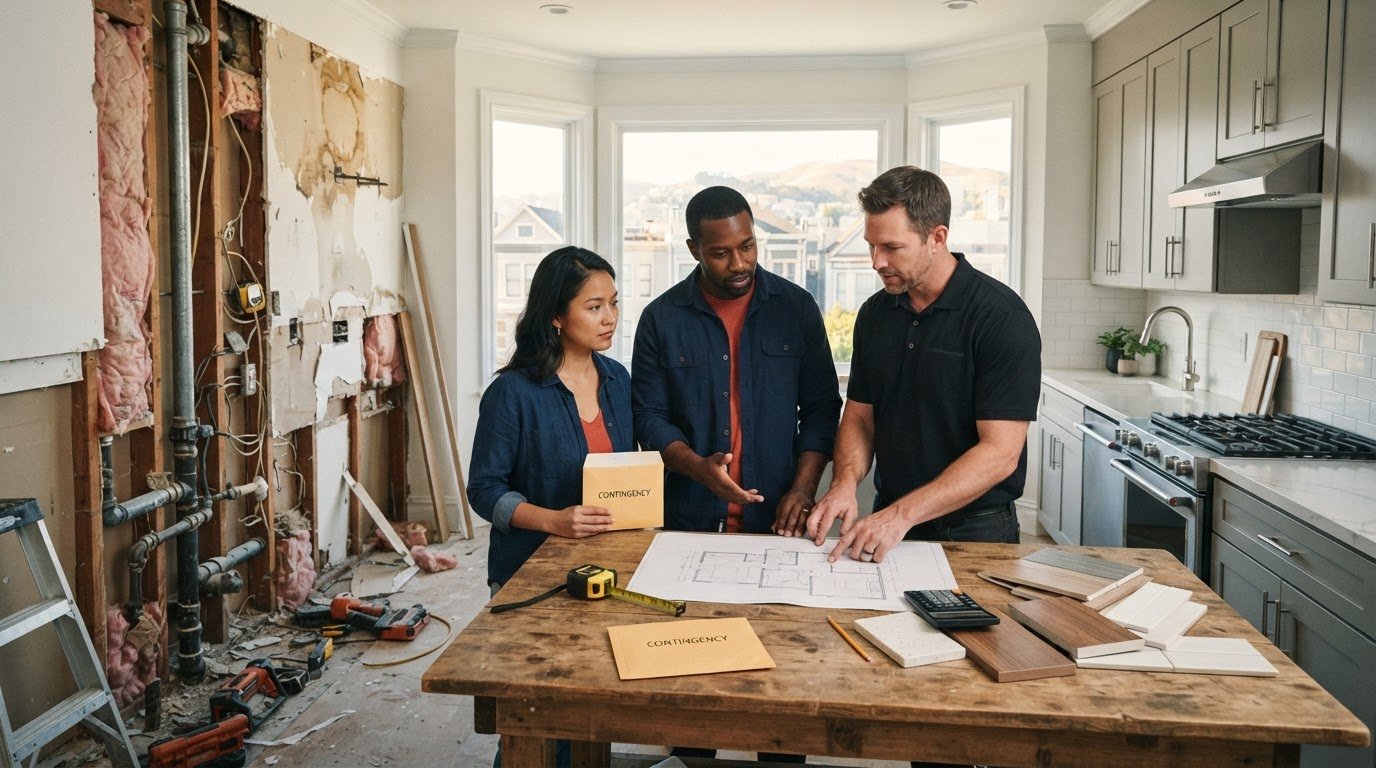
Logistics and site preparation are equally critical to your budget. Removing old materials is a labor-intensive process that requires professional debris removal services to ensure your property remains clean and safe. For homes with steep pitches or multi-story elevations, we factor in specialized equipment like cranes or high-reach lifts. Finally, we always recommend homeowners allocate a 10% contingency fund. This reserve is specifically designed for unforeseen structural repairs, such as dry rot or damaged decking, which are often only revealed once the old roof is stripped away. Having this buffer in place protects your financial peace of mind if surprises arise.
Step-by-Step Budget Planning
Calculating your investment starts with determining the actual “roofing squares” of the surface area. This number is often much higher than your floor plan suggests because it accounts for the vertical rise of the roof. Complexity also plays a major role. A simple gable roof is more straightforward to estimate than a home with multiple dormers, intersecting valleys, or several chimneys. Each of these features requires custom flashing and meticulous labor. When evaluating your budget, consider the value of different warranty options. A manufacturer’s warranty typically covers material defects, while a workmanship warranty protects you against installation errors. Balancing these two provides the ultimate protection for your home.
Vetting the Quote: Red Flags to Watch For
When you receive multiple estimates, the lowest bid is rarely the best value. Extremely low prices often signal that a crew lacks proper workers’ compensation insurance or is using sub-standard materials that won’t withstand California’s climate. A professional quote should always include a detailed, written scope of work that outlines every phase of the project. This document ensures the contractor includes precision roof repair for any existing leak points or compromised structural elements before the new shingles are laid. Transparency is the hallmark of a reliable partner. If you want a quote that reflects the true needs of your home, contact GTE Construction & Roofing for a comprehensive onsite evaluation.
Choosing GTE Construction & Roofing for Your New Roof Installation
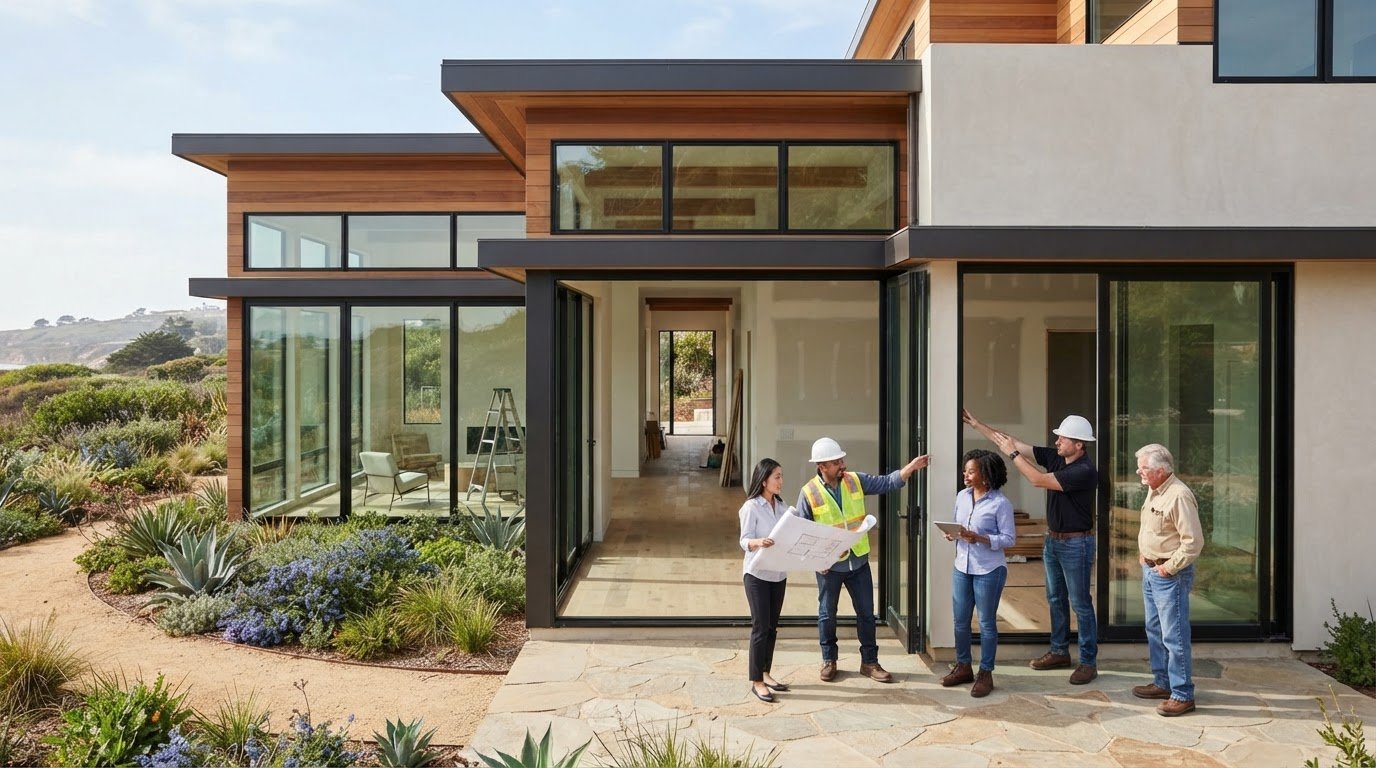
Selecting a partner for your home’s most vital protection requires more than just a signature on a contract. GTE Construction & Roofing operates as a licensed and insured general contractor, deeply rooted in the specific needs of the SF Bay Area and Sacramento. While a generic new roof cost estimator provides a starting point, our team delivers a precise structural analysis that accounts for the nuances of Northern California architecture. Because we specialize in both roofing and full service home remodeling, we understand how your roof integrates with the rest of your home’s envelope. We don’t just see a surface; we see a complex system that protects your rafters, ceilings, and foundation.
Our approach as a “Reliable Local Expert” means we prioritize the long-term safety of your property over quick, budget-driven fixes. We understand the environmental stresses of our region, from the intense heat of the Central Valley to the heavy rains of the coast. By choosing a contractor with a comprehensive perspective, you ensure that every repair or installation is handled with meticulous attention to detail. We pride ourselves on being disciplined and punctual, treating your home with the same care we would our own. This grounded approach helps to alleviate the stress often associated with major home maintenance projects.
The GTE Difference in Quality Craftsmanship
We utilize a methodical Action-Method-Result framework to guarantee the longevity of your investment. By performing a thorough structural diagnostic (Action) using advanced measurement techniques (Method), we provide a roof that is both aesthetically pleasing and structurally sound (Result). Our expertise extends beyond shingles to include integrated gutter systems and even landscape and design considerations to manage water runoff effectively. We maintain absolute transparency throughout the process, avoiding high-pressure tactics in favor of honest, expert guidance. This commitment to craftsmanship ensures that your new roof isn’t just a purchase, but a lasting improvement to your home’s integrity.
Next Steps for Your Roofing Project
Your journey toward a secure home begins with a professional on-site diagnostic. When you schedule a consultation, our experts perform a detailed physical inspection of your current roofing system, including the attic and deck. We use this data to build a customized new roof cost estimator framework that reflects the actual conditions of your property. During the measurement phase, we’ll discuss material options that meet Title 24 standards and fit your aesthetic goals. To prepare for a seamless installation, we provide a clear timeline and instructions on how to secure your property. Our goal is to provide a steady, methodical experience that leaves you with total confidence in your home’s protection.
Protecting Your Investment with Professional Precision
A successful roofing project is built on a foundation of accurate data and technical expertise. By understanding the nuances of the “roofing square” and the rigorous requirements of California Title 24, you’ve moved past simple guesswork into informed decision-making. High-quality materials and professional installation aren’t just expenses; they’re essential safeguards for your home’s longevity and your family’s peace of mind. Whether you’re navigating the complexities of the Bay Area labor market or the fire-safety codes of the Sacramento Valley, precision remains your most valuable asset.
GTE Construction & Roofing brings the discipline of a Licensed General Contractor to every project, ensuring your roof is structurally sound and fully compliant with 2026 standards. We specialize in structural integrity and serve homeowners across San Francisco, Sacramento, and the East Bay with a commitment to craftsmanship. Instead of relying on a generic new roof cost estimator, take the next step toward a durable, high-performance exterior. Request your Professional Roofing Estimate from GTE Construction & Roofing today. We look forward to partnering with you to secure your home for the decades ahead.
Frequently Asked Questions
How much does a new roof cost for a 2,000 square foot house in California?
Costs vary significantly based on material choice and roof complexity. For a 2,000 square foot home, factors like pitch and the number of valleys play a larger role than just the footprint. While industry averages provide a baseline, a professional new roof cost estimator accounts for specific local labor rates in the Bay Area and Sacramento. To see how these variables are calculated in other regions, you can check out Cleroux & Sons Roofing for a detailed breakdown of local market pricing. We recommend getting a structural quote that includes the removal of old layers to ensure a precise budget.
Will my homeowners insurance cover the cost of a new roof?
Homeowners insurance typically covers roof replacement if the damage results from a sudden, accidental event like a severe storm or fallen tree. Standard policies don’t cover wear and tear or neglect. If your roof has reached the end of its lifespan due to age, the cost is usually an out-of-pocket investment. It’s vital to review your specific policy’s “actual cash value” versus “replacement cost” clauses before starting a project, and you can find out more about navigating storm-damage restoration and insurance-related roofing repairs.
Metal roofing and luxury architectural shingles are exceptionally durable choices for the San Francisco climate. These materials resist the corrosive effects of salt air and the persistent moisture of coastal fog. Metal, in particular, offers superior fire resistance and longevity. For homeowners in the East Bay, selecting a material with a high wind rating is essential to withstand seasonal gusts while maintaining the home’s aesthetic integrity and structural safety.
How long does a professional roof installation typically take?
A professional roof installation for a standard residential home usually takes between two and five days. This timeline depends on the weather, the complexity of the roof’s geometry, and the material being installed. A simple shingle replacement is often faster than a complex tile or metal project. Our methodical approach ensures that we work efficiently without cutting corners; protecting your home from the elements throughout every phase of the construction process.
Can I install a new roof over my existing shingles to save money?
While “roof-overs” are technically possible in some jurisdictions, we don’t recommend them for long-term reliability. Adding a second layer of shingles traps heat, which can shorten the lifespan of the new materials. It also prevents a thorough inspection of the roof deck for dry rot or structural damage. Starting with a clean deck is the only way to ensure your new investment sits on a safe, stable foundation that meets modern California codes.
Do I need a permit to replace my roof in Contra Costa County?
Yes, a building permit is required for most roof replacements in Contra Costa County. Local building departments mandate these permits to ensure the new installation meets current fire safety and energy efficiency codes. As a licensed general contractor, we manage the entire permit and inspection process for our clients. This professional oversight protects your home’s value and ensures that all work is fully compliant with Northern California’s strict regulatory standards.
What is a “Cool Roof” and is it mandatory in California?
A “Cool Roof” uses materials designed to reflect more sunlight and absorb less heat than standard roofing. Under California’s Title 24 Energy Code, these standards are mandatory for most re-roofing projects in designated climate zones, including parts of Sacramento and Alameda County. These regulations aim to reduce energy consumption for cooling. Using a new roof cost estimator that factors in compliant materials helps you meet these state requirements while lowering your long-term utility bills.
How do I know if I need a full replacement or just a precision repair?
The decision depends on the extent of the damage and the age of your roofing system. If leaks are isolated to one area and the shingles are still pliable, a precision repair may extend the life of the roof. However, if you see widespread granule loss, curling shingles, or structural sagging, a full replacement is usually the safer, more cost-effective solution. A professional diagnostic can identify whether a repair is a viable fix or a temporary patch.