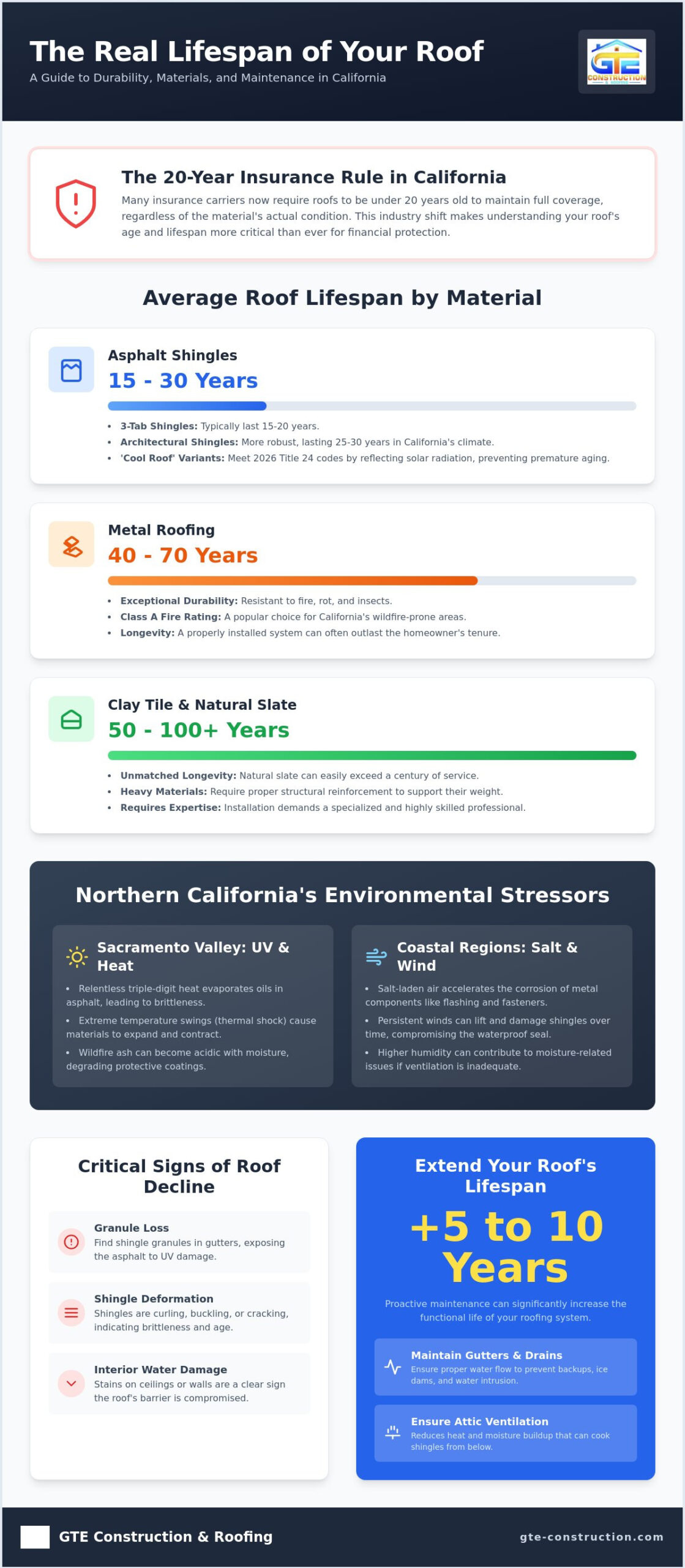
Your roof’s expiration date might be determined by your insurance provider before the shingles even start to fail. In California’s current market, many carriers now require systems to be under 20 years old to maintain full coverage, regardless of their actual physical state. This shift makes the question of how long do roofs typically last an essential component of your property stewardship rather than a simple maintenance query. We recognize the stress that hidden water damage creates and the confusion caused by dense industry jargon. You deserve a partner who provides quiet confidence and professional reassurance instead of high-pressure sales tactics; for homeowners in Florida, companies like Rainier Roofing LLC uphold these same standards of integrity and excellence.
This guide clarifies the real-world lifespan of various materials to help you protect your home’s structural integrity with precision. We will examine how the 2026 Title 24 energy codes and our unique local climate dictate the durability of your installation. You’ll gain a clear timeline for budgeting and the expertise to identify genuine warning signs; this ensures your home remains a safe, resilient sanctuary for years to come. By understanding the methodology behind proper maintenance, you can secure the peace of mind that comes from a meticulously cared-for home.
Key Takeaways
- Understand the discrepancy between manufacturer warranties and real-world performance to determine how long do roofs typically last for asphalt, metal, and tile materials.
- Identify how regional climate factors like Sacramento Valley heat and coastal salt air accelerate the aging process of your roofing system.
- Learn to spot early indicators of structural decline, such as granule loss and shingle deformation, before they lead to costly interior damage.
- Discover how proactive maintenance of gutters and attic ventilation can potentially extend your roof’s functional life by up to a decade.
- Gain the confidence to budget for a replacement by prioritizing structural health and professional expertise over simple calendar age.
Average Roof Lifespan by Material: Setting Realistic Expectations
Determining how long do roofs typically last requires looking past the glossy marketing brochures of material manufacturers. While a warranty might boast a 50-year term, these documents often cover specific material defects rather than the natural degradation caused by years of environmental exposure. A roof functions as a complex system of protection; its actual lifespan is a balance between the inherent durability of the material and the quality of the installation methodology. Selecting the right different types of roofing materials is the first step in ensuring your home’s structural integrity remains uncompromised for decades.
The weight of your chosen material also plays a silent role in your property’s long-term health. Heavier options like clay tile or natural slate provide incredible longevity, but they place significant stress on the underlying rafters. Without proper structural reinforcement, the very roof designed to protect the house could lead to structural settling or wall cracks over time. As we move into 2026, modern composite materials and advanced engineering are shifting these timelines, offering lighter alternatives that don’t sacrifice the decades of protection homeowners expect.
Asphalt Shingles: The 15 to 30 Year Variable
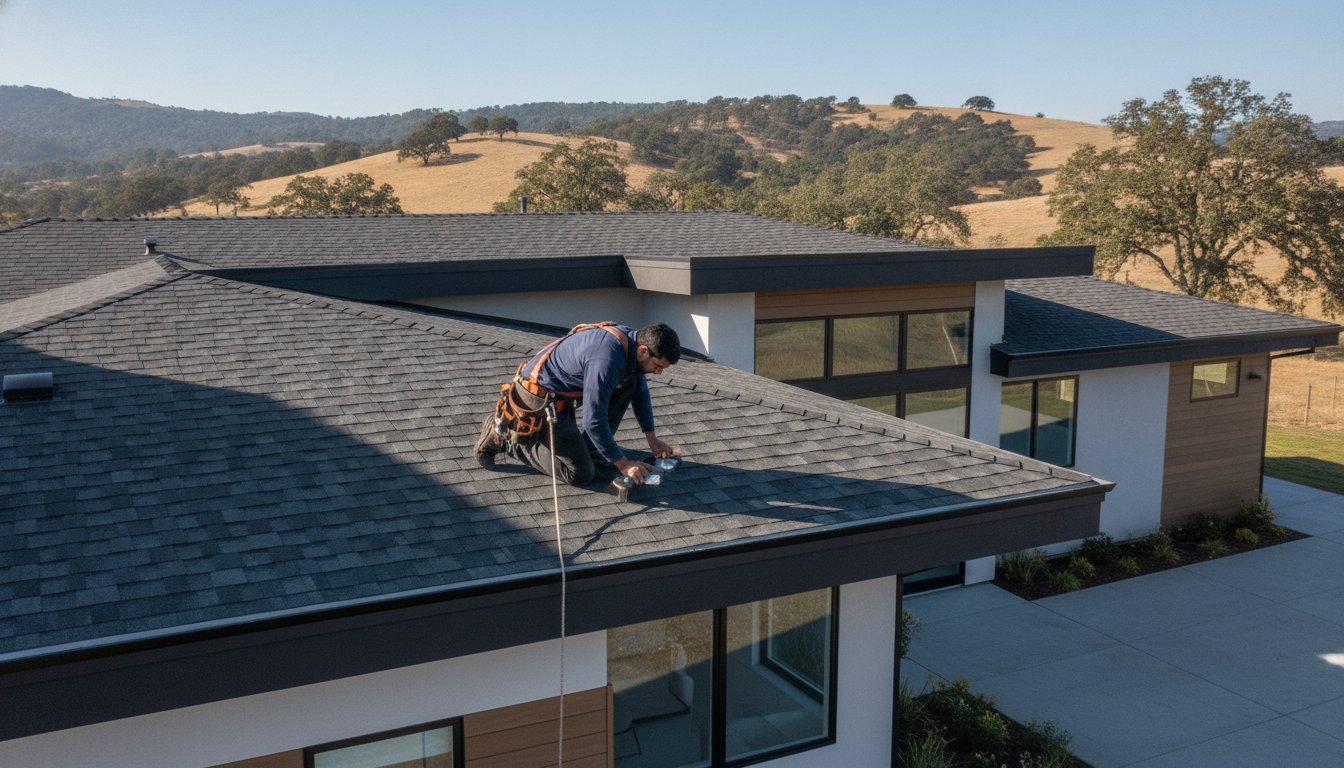
Traditional 3-tab shingles are becoming less common in professional installations because their thinner profile often fails after just 15 to 20 years. Modern architectural shingles offer a more robust solution, typically providing 25 to 30 years of reliable service in California’s climate. The primary indicator of aging is granule loss, where the protective ceramic coating sheds into your gutters, leaving the underlying asphalt vulnerable to UV damage. To meet the 2026 Title 24 standards, many homeowners now opt for ‘cool roof’ architectural shingles. These materials reflect solar radiation, which keeps the attic cooler and prevents the shingles from becoming brittle prematurely.
Premium Materials: Metal, Tile, and Slate Longevity
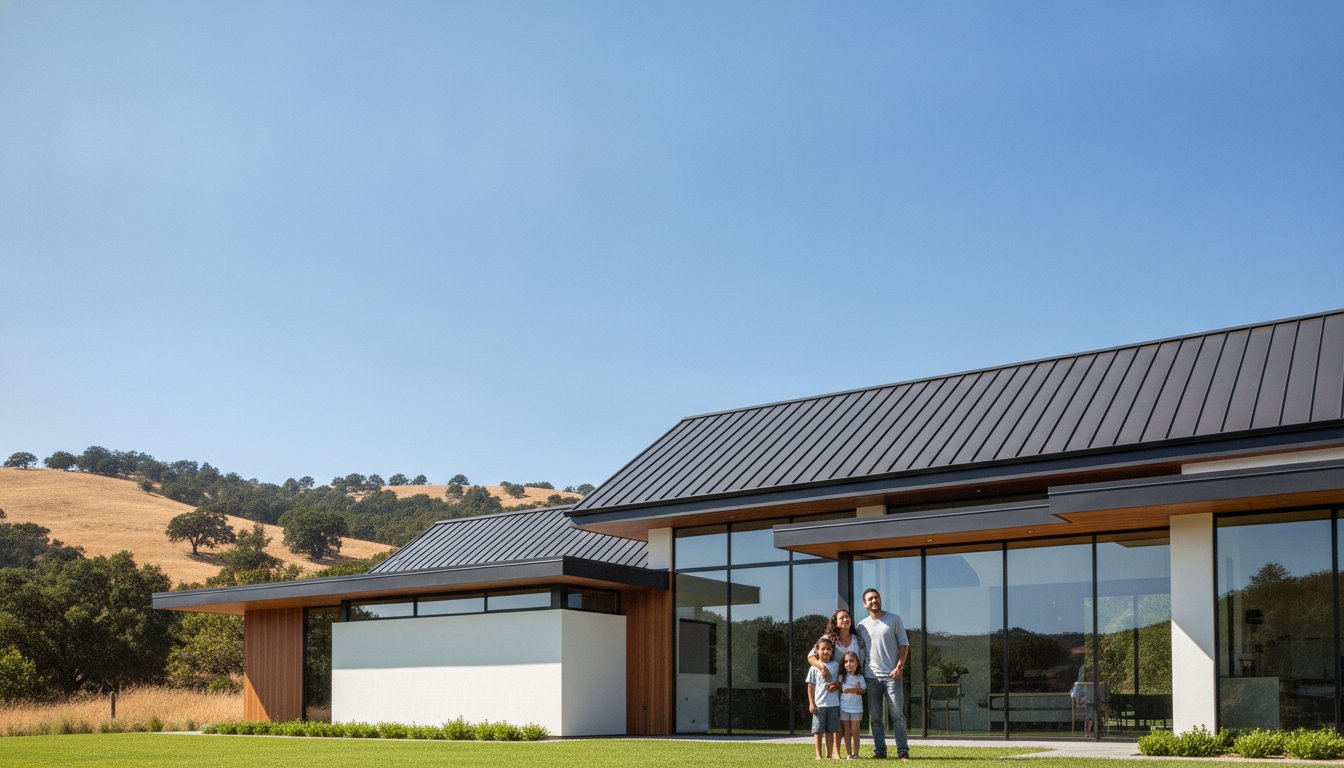
Metal roofing has seen a surge in popularity, particularly in Northern California’s wildfire-prone regions, because of its Class A fire rating and exceptional durability. A properly installed metal system can last between 40 and 70 years, often outlasting the homeowner’s tenure. Clay and concrete tiles remain the standard for Mediterranean-style architecture, offering a lifespan of 50 to 100 years. These materials are nearly impervious to rot and insects, though they require periodic inspections of the underlying waterproof membrane. When homeowners ask how long do roofs typically last, they’re often surprised to learn that natural slate can easily exceed a century of service. It represents the pinnacle of craftsmanship, though it requires a specialized skill set for installation and a home frame capable of supporting its immense weight.
Similarly, flat roofing systems require a unique installation methodology to prevent ponding and ensure watertight integrity; for those researching these specific configurations, resources from archersroofing.co.uk illustrate the technical standards required for successful low-slope protection.
Local Environmental Stressors in Northern California
Northern California’s diverse geography means that two identical homes, separated by only fifty miles, may face entirely different structural challenges. While national data provides a baseline for the expected lifespans of various roofing materials, these figures often fail to account for the localized stressors found between the Central Valley and the Pacific Coast. Understanding how long do roofs typically last in our region requires a disciplined look at how heat, salt, and wind interact with your specific architecture. We see these variations every day in our local inspections, where a roof in Roseville ages quite differently than one in Richmond.
In the Sacramento Valley, the primary adversary is relentless, triple-digit summer heat. This environmental pressure accelerates the evaporation of the volatile oils that keep asphalt shingles flexible. Over time, this leads to brittleness and cracking, a process often compounded by the accumulation of wildfire ash. This fine particulate matter isn’t just a nuisance; it can become acidic when mixed with light moisture. This chemical reaction can alter the pH balance of your roof surface, potentially accelerating the degradation of protective ceramic coatings and clogging essential drainage pathways.
The UV Factor: Sun Damage in the Central Valley
Homes in the Central Valley experience significant thermal shock. This occurs when roofing materials expand rapidly under the midday sun and contract quickly as temperatures drop in the evening. This constant movement can cause fasteners to loosen and shingles to develop micro-fissures. Utilizing reflective “cool roof” technology is a proven methodology to mitigate this aging process, as it reflects solar radiation and maintains a more stable internal temperature for the material itself. If you notice shingles that appear “scorched” or overly rigid, a professional roofing repair assessment can determine if the protective layers remain functional.
Coastal Corrosion: Protecting Roofs in the Bay Area
Residents in San Francisco and along the Alameda or Contra Costa coastlines face the “silent killer” of salt-laden air. This briny mist is highly corrosive to standard galvanized steel flashing and fasteners, often causing them to fail long before the primary roofing material reaches its technical expiration. In these high-salt environments, we prioritize the use of stainless steel or copper components to ensure longevity. The persistent fog and moisture common in these microclimates also create an ideal breeding ground for moss and lichen. These organisms trap moisture against the roof surface, which can lead to deck rot if the system is not meticulously maintained and cleared of organic debris.
Critical Indicators Your Roof is Reaching the End of Its Life
Identifying when a system is nearing its technical expiration requires a disciplined eye and a departure from simple calendar tracking. Homeowners often ask our team how long do roofs typically last, and while a system might technically survive for 20 to 50 years depending on the materials, the physical reality of your home’s exterior often tells a more urgent story. We frequently suggest that clients observe their immediate community through the “Neighbor Rule.” If your neighbors’ homes were built during the same era and you notice a trend of replacements on your street, it serves as a reliable signal that your own property has likely endured the same threshold of environmental stress.
Understanding how long do roofs typically last in a practical sense means moving beyond the manufacturer’s date and looking for specific indicators of material fatigue. This proactive approach allows you to plan for a replacement with quiet confidence, avoiding the high-pressure environment of an emergency leak repair. By monitoring these subtle shifts in structural health, you ensure that your home remains a secure sanctuary against the elements.
Exterior Visual Warning Signs
Visual cues provide the first line of defense against hidden damage. Granule accumulation in your gutters is a primary indicator; if you find what looks like coarse, black sand in your downspouts, the protective ceramic layer of your shingles is shedding. This leaves the underlying asphalt vulnerable to UV degradation and brittleness. You should also look for curling, clawing, or “cupping,” where the shingle edges turn upward or become concave due to years of thermal expansion. While aesthetic moss can often be treated, persistent growth that lifts shingles away from the deck indicates trapped moisture and potential structural rot that requires professional attention. Storm events can also introduce sudden structural compromises; if your home has been exposed to severe weather, a professional assessment for hail damage roof repair can identify hidden issues that aren’t visible from the driveway.
- Bald spots: Areas where granules have completely shed, leaving the shingle mat exposed.
- Compromised flashing: Cracks or gaps in the metal seals around chimneys, skylights, and vents.
- Missing shingles: Physical gaps in the “armor” of your roof after high-wind events.
Interior and Structural Red Flags
Interior inspections offer definitive proof of structural compromise before a full failure occurs. The “daylight test” is a simple methodology for any homeowner with attic access: on a bright afternoon, turn off all interior lights and look for pinpricks of sun coming through the roof boards. If light can penetrate the system, water is already finding a path. Sudden spikes in your energy bills can also indicate that your roof’s ventilation or insulation has been compromised, causing your climate control systems to overwork. While water stains on rafters are serious, a sagging roofline is a terminal indicator that suggests the wooden decking or the primary rafters have lost their load-bearing integrity due to long-term moisture saturation.
How to Extend Your Roof’s Lifespan by 5-10 Years
While material choice and regional climate set the baseline for how long do roofs typically last, your commitment to proactive stewardship determines whether you reach the upper limit of that range. A roof is not a “set it and forget it” component of your home; it’s a dynamic system that requires consistent attention to detail. By implementing a disciplined maintenance methodology, you can effectively pause the clock on material degradation and protect your home’s structural integrity. For example, NanoTech Exteriors highlights how specialized rejuvenation and refurbishment can extend a roof’s life by years, offering a blueprint for significant savings. Catching a minor $500 flashing issue today prevents the stress of a $20,000 emergency replacement five years earlier than planned.
One of the most destructive mistakes a homeowner can make is attempting to clean their roof with a high-pressure washer. This aggressive tactic physically strips away the protective granules that we identified earlier as the “armor” of your shingles. Instead, professional soft-washing techniques utilize specialized solutions to remove organic growth without compromising the material’s surface. This gentle approach preserves the shingle’s integrity while maintaining the aesthetic value of your property.
The Vital Role of Gutter Maintenance
Maintaining a clear drainage path is essential for the longevity of your roof’s edge. When gutters become clogged with leaves and organic debris, water backs up under the first few courses of shingles. This persistent moisture leads to ice damming in colder months and rot in the fascia boards and roof decking during the wet season. Investing in a professional gutter installation ensures that water is efficiently channeled away from the foundation and the roofline alike. This simple step prevents the saturated conditions that allow moss and lichen to take root, which can significantly extend the life of your underlying structural wood.
Optimizing Attic Airflow
A breathing roof is a lasting roof. Many homeowners don’t realize that improper attic ventilation can “bake” shingles from the inside out. When heat is trapped in the attic space, it raises the temperature of the roof deck to extreme levels, causing shingles to become brittle and lose their flexibility. We recommend a thorough check of your soffit and ridge vents to ensure they remain free of obstructions like bird nests or misplaced insulation. By optimizing this airflow, you create a more stable environment for your roofing materials, which directly mitigates the thermal shock risks common in the Sacramento Valley. This methodical approach to ventilation ensures your roof remains resilient against the elements for as long as possible. If you’re concerned about your system’s current performance, a professional roofing repair consultation can identify and resolve these hidden airflow bottlenecks.
Planning Your Replacement with Quiet Confidence
Approaching a roof replacement represents a significant investment in your property’s future. While we’ve discussed how long do roofs typically last based on environmental stressors, the final decision to replace often aligns with broader property goals. If you’re currently planning a Home Addition or a Kitchen Remodeling project, coordinating your roofing installation ensures a cohesive structural envelope. This foresight prevents the logistical friction of multiple construction phases; it secures the aesthetic integrity of the entire home for decades to come.
This philosophy of integrated home improvement is shared by top-tier professionals nationwide; for example, Royalty Construction offers a comprehensive guide for homeowners in other regions that mirrors this commitment to structural longevity and careful planning.
Selecting a licensed California General Contractor is vital for a project of this scale. Unlike specialized subcontractors who focus solely on the surface material, a professional like GTE Construction & Roofing examines the entire structural system. We evaluate the load-bearing capacity of your rafters and the condition of the underlying deck to ensure the new system performs as intended. This thorough methodology provides a level of transparency and security that simple material warranties cannot match. By examining the “why” behind the “how,” we build a narrative of expertise and care into every project.
When you evaluate a professional quote, look past the bottom-line figure to the specific methodology proposed. A comprehensive bid should detail the grade of the underlayment, the gauge of the metal flashing, and the specific ventilation plan for your attic space. We prioritize clear communication so you understand the value of each component. To help you prepare for this process, our detailed breakdown of the cost to replace roof systems in 2026 walks through every line item you should expect in a transparent, compliant California bid. This ensures you aren’t just buying a product, but a long-term solution designed for durability. This steady pace helps to build a sense of security, suggesting that our team is thorough and will not cut corners.
Choosing the Right Partner in Northern California
In regions with microclimates as varied as San Francisco and Sacramento, local expertise is a necessity. GTE Construction & Roofing understands the architectural nuances of our neighborhoods and the specific building codes governing our region. We emphasize reliability and longevity in every project, treating your home with the professional care it deserves. Our team maintains a disciplined, punctual workflow that respects your time and property throughout the installation process. We value the relationship with the client as much as the technical execution of the project.
Next Steps: From Inspection to Installation
The transition to a new roofing system begins with a professional roof integrity inspection. This assessment allows us to move beyond generalizations and provide a recommendation tailored to your home’s unique exposure levels. We then guide you through the selection of materials that meet both the 2026 energy standards and your personal aesthetic preferences. This organized progression replaces the stress of a potential failure with the quiet confidence of a well-managed project.
Securing Your Home’s Long-Term Structural Integrity
Your roof serves as the most critical shield for your property’s interior and structural health. While we’ve established a baseline for how long do roofs typically last, the ultimate endurance of your system depends on a disciplined approach to maintenance and a keen understanding of Northern California microclimates. By addressing environmental stressors like Central Valley heat or coastal salt air with precision, you transform a standard house into a resilient sanctuary. Proactive gutter care and optimized attic ventilation effectively pause the clock on material degradation, providing you with years of additional security and peace of mind.
As a licensed California General Contractor with deep expertise across San Francisco, Sacramento, and the East Bay, GTE Construction & Roofing provides comprehensive roofing and gutter solutions designed for maximum longevity. We believe in building trust through transparency, specialized skill, and a commitment to high standards of craftsmanship. Schedule your professional roof integrity inspection with GTE Construction & Roofing today. Taking this methodical step today empowers you to plan for the future with quiet confidence and ensures your home remains a safe, durable asset for decades to come.
Frequently Asked Questions
Is a 20-year-old roof always in need of replacement?
A 20-year-old system does not always require immediate replacement, but it does necessitate a more disciplined inspection schedule. While many insurance carriers in California now mandate updates for systems reaching this milestone to maintain full coverage, the physical condition is the ultimate deciding factor. A well-maintained tile roof may be only halfway through its life, whereas a poorly ventilated asphalt system might be nearing failure. We recommend a professional assessment to determine if the structural integrity remains intact.
Can I install a new roof over my existing shingles to save money?
We generally advise against “roof-overs” because they can compromise the long-term health of your home’s structure. While it might reduce initial labor costs, adding a second layer traps excessive heat and prevents a thorough inspection of the underlying wooden deck. In California, building codes often limit the number of layers allowed for safety reasons. A full tear-off ensures that any hidden rot is addressed before the new installation begins, providing far greater peace of mind.
How does the California climate specifically affect asphalt shingles?
The intense UV radiation and thermal shock common in the Central Valley cause shingles to expand and contract rapidly, which leads to premature brittleness. This environmental pressure is a major factor when considering how long do roofs typically last in our region. Over time, the volatile oils in the asphalt evaporate, causing the protective granules to shed into your gutters. Utilizing cool-roof technology helps mitigate these effects by reflecting solar energy away from the surface; for those who harness this energy through rooftop panels, G-Solar & Electrical provides specialized maintenance to ensure the system and the underlying roof remain in peak condition.
What is the most durable roofing material for the San Francisco Bay Area?
Metal roofing and clay tile are the most resilient options for the unique microclimates found in the Bay Area. Metal systems offer superior resistance to salt-air corrosion when high-grade fasteners are used, while clay tiles are impervious to the moisture-driven rot common in foggy coastal zones. These premium materials provide a lifespan of 50 to 100 years, offering a level of craftsmanship and durability that far exceeds traditional asphalt options for homeowners seeking a permanent solution.
Does homeowners insurance typically cover roof replacement due to age?
Standard homeowners insurance policies generally don’t cover roof replacements necessitated by natural aging or gradual wear and tear. Coverage is typically reserved for “sudden and accidental” events, such as wind damage or fire. Because many insurers now view roofs over 20 years old as high-risk assets, maintaining a disciplined record of inspections and repairs is essential. You should review your specific policy to understand how age-related depreciation affects your potential for a full coverage claim. If a storm event has impacted your home, understanding the full scope of hail damage roof repair and the professional restoration process can help you navigate the insurance claims process with greater confidence.
How often should I have a professional roof inspection in Sacramento?
We recommend a professional inspection at least once a year, preferably before the winter rains begin. In Sacramento, the extreme summer heat followed by heavy seasonal precipitation puts significant stress on roofing systems. An annual check allows us to identify minor issues, such as loosened flashing or debris accumulation, before they evolve into costly structural failures. This methodical approach ensures your home remains protected throughout every season and helps maintain your property’s long-term value.
Can poor gutter health actually cause my roof to fail prematurely?
Clogged or improperly installed gutters are a leading cause of early roof failure in Northern California. When water cannot flow freely, it backs up under the shingles at the roof’s edge, saturating the fascia boards and the underlying wooden deck. This persistent moisture creates an ideal environment for rot and mold to flourish, compromising the perimeter of your home. Ensuring your drainage system is clear is a fundamental step in extending the functional life of your entire roofing system.
What is the average time it takes to complete a full roof replacement?
Most residential roof replacements are completed within three to five days, depending on the complexity of the architecture and the chosen materials. A standard asphalt shingle project on a typical home is often finished in a shorter window, while heavy tile or slate requires more time for structural preparation and precision installation. We maintain a disciplined schedule to minimize disruption to your daily life while ensuring every detail meets our rigorous standards for craftsmanship.